Ryze Matcha: The Green Tea Brand Turning Everyday Energy Into a Modern Wellness Ritual

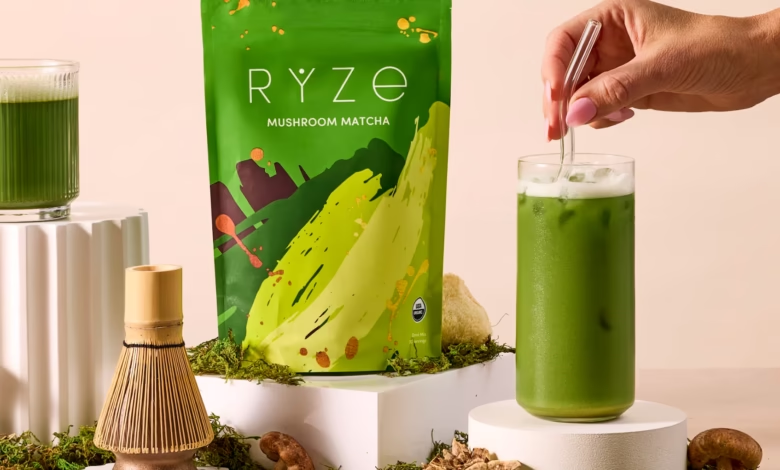
In the crowded world of wellness drinks, ryze matcha has attracted attention by presenting matcha as more than just another caffeinated beverage. The brand has built a recognizable identity around Japanese-inspired matcha, convenient preparation, and a calmer alternative to traditional coffee routines. Its growing popularity reflects a broader interest in drinks that combine energy, flavor, and mindful daily habits.

Matcha itself has a long cultural history, while modern brands have made it easier for consumers to incorporate the powdered green tea into busy lifestyles. Understanding what makes Ryze Matcha interesting requires looking beyond social-media popularity and examining its ingredients, preparation, flavor, caffeine content, and the broader appeal of matcha.
What Is Ryze Matcha?
Ryze Matcha is a modern matcha-focused beverage brand designed for people who want to enjoy powdered green tea in a convenient format. Matcha is made by grinding specially cultivated green tea leaves into a fine powder. Unlike conventional green tea, where leaves are steeped and discarded, matcha is consumed as part of the drink itself.
This difference gives matcha its distinctive appearance, stronger flavor, and nutritional profile. The quality of matcha can vary considerably depending on cultivation, harvesting, processing, and storage, so consumers should pay attention to product descriptions and ingredient information rather than assuming every green powder offers the same experience.
Ryze Matcha fits into the growing market of convenient wellness beverages that aim to make traditional ingredients easier to enjoy. Its appeal comes partly from the simplicity of preparing a matcha drink at home without requiring elaborate equipment.
Why Matcha Has Become So Popular
Matcha has moved well beyond traditional tea settings and become a familiar ingredient in modern cafés, kitchens, and wellness routines. Matcha lattes, iced matcha drinks, smoothies, desserts, and even baked goods have helped introduce the ingredient to a much wider audience.
One reason for this popularity is the balance between caffeine and the naturally occurring amino acid L-theanine. Matcha contains caffeine, but its experience can differ from coffee because of its broader chemical composition and the way caffeine is consumed.
People also appreciate matcha for its earthy flavor and vibrant green appearance. For some consumers, replacing one or more coffee drinks with matcha becomes part of a broader effort to create a more intentional morning or afternoon routine.
The Experience of Ryze Matcha
A major part of the appeal of ryze matcha is the experience surrounding preparation. Instead of simply opening a can of an energy drink, making matcha can become a small ritual.
The powder is generally mixed with water or another liquid before being incorporated into a larger drink. Traditionally, matcha is whisked with hot water until it becomes smooth and lightly frothy. Modern consumers may use a handheld frother, shaker, blender, or traditional bamboo whisk.
The final result depends heavily on preparation. Water that is excessively hot can produce a harsher taste, while insufficient mixing may leave powder sitting at the bottom of the cup. Milk or plant-based alternatives can soften matcha’s natural bitterness and create a smoother latte-style drink.
What Does Matcha Taste Like?
Matcha has a flavor that can be difficult to compare directly with coffee or ordinary green tea. High-quality matcha often has a rich, vegetal character with subtle sweetness and an umami-like depth.
Lower-quality or poorly prepared matcha can taste noticeably bitter, overly grassy, or dry. This is one reason newcomers sometimes have very different first impressions of matcha.
For people who are unfamiliar with the flavor, a latte can be an approachable starting point. Milk, oat milk, or another creamy ingredient can balance the earthy notes while allowing the matcha to remain recognizable.
The taste of ryze matcha ultimately depends on the specific product, preparation method, serving temperature, and personal preference. Consumers should therefore judge the drink based on the actual ingredient list and product information rather than relying entirely on marketing descriptions.
Does Matcha Contain Caffeine?
Yes. Matcha naturally contains caffeine because it is produced from tea leaves. The exact amount can vary depending on the serving size, cultivar, growing conditions, processing, and preparation.
Compared with coffee, a typical serving of matcha may provide less caffeine, although this is not guaranteed across every product or preparation. Anyone who is particularly sensitive to caffeine should check the product’s nutrition information and consider the total caffeine consumed throughout the day.
Matcha is sometimes described as providing a smoother or more sustained energy experience. While individual experiences can differ, this perception may partly relate to the combination of caffeine and L-theanine naturally present in tea.
It is important not to treat matcha as a caffeine-free wellness drink simply because it feels different from coffee.
Potential Benefits of Matcha
Matcha is naturally rich in plant compounds called polyphenols, including catechins. One of the most studied catechins in green tea is epigallocatechin gallate, commonly known as EGCG.
Research into green tea and its compounds has examined areas such as antioxidant activity and cardiovascular health. However, it is important to distinguish between promising scientific evidence and exaggerated health claims.
Drinking matcha does not automatically guarantee weight loss, improved immunity, disease prevention, or dramatic changes in energy. A nutritious beverage can contribute to a healthy lifestyle, but it should not be presented as a substitute for balanced nutrition, adequate sleep, exercise, or appropriate medical care.
For most people, the strongest practical advantage may simply be that matcha provides a flavorful way to consume tea while offering naturally occurring caffeine and plant compounds.
How to Prepare a Better Matcha Drink
Preparation can make a surprisingly large difference. Start with a clean cup or bowl and use the recommended amount of powder rather than adding a large quantity in an attempt to create stronger flavor.
Adding a small amount of water first can help create a smooth paste before more liquid is incorporated. Whisking or frothing thoroughly reduces clumps and improves the texture.
For an iced matcha latte, the prepared matcha can be combined with cold milk and ice. A small amount of natural sweetener can be added if the earthy flavor feels too intense.
The goal should be balance rather than simply making the drink as strong as possible. A well-prepared matcha should taste pleasant enough to become part of a sustainable daily routine.
Who Might Enjoy Ryze Matcha?
Ryze Matcha may appeal to consumers who enjoy experimenting with coffee alternatives, tea-based beverages, and modern wellness products. It can also suit people who like preparing drinks at home and want something different from traditional black coffee.
Matcha can be particularly appealing to those who enjoy iced beverages and café-style drinks. Because the powder can be mixed with water, dairy milk, or plant-based alternatives, there is considerable room for personalization.
However, matcha is not automatically better than coffee. The right choice depends on caffeine tolerance, taste preference, budget, dietary needs, and lifestyle. Someone who already enjoys coffee and feels good drinking it does not necessarily need to replace it.
What Should Buyers Check Before Purchasing?
Before buying any matcha product, consumers should examine the ingredient list, serving size, caffeine information when available, storage instructions, and preparation recommendations.
It is also useful to distinguish between pure matcha and flavored or blended products. A product containing matcha alongside sweeteners, flavorings, or other ingredients may provide a very different nutritional and taste experience from pure powdered tea.
Packaging and freshness matter as well. Matcha can gradually lose its freshness after opening, particularly when exposed to oxygen, heat, light, or moisture. Following storage instructions can help preserve its flavor and quality.
Frequently Asked Questions
Is Ryze Matcha healthy?
Matcha can be part of a balanced diet and naturally contains caffeine and beneficial plant compounds. However, its overall nutritional value depends on the specific product and what is added to the drink.
Does Ryze Matcha have caffeine?
If the product contains genuine matcha, it naturally contains caffeine. The precise amount depends on the serving and formulation, so checking the package is the best way to determine the actual caffeine content.
Can you drink matcha every day?
Many people consume matcha regularly. However, total caffeine intake matters, especially for individuals who are sensitive to caffeine. Moderation and awareness of other caffeinated drinks are sensible considerations.
Is matcha better than coffee?
Neither is universally better. Coffee generally provides more caffeine per typical serving, while matcha offers a different flavor and naturally contains L-theanine along with tea polyphenols. Personal preference and caffeine tolerance are important factors.
Can matcha help with weight loss?
Matcha should not be viewed as a magic weight-loss solution. Green tea compounds have been studied in relation to metabolism, but any potential effect is modest and should not replace established approaches such as balanced eating and regular physical activity.
Final Thoughts
The appeal of ryze matcha reflects a larger shift toward beverages that combine convenience with traditional ingredients and a more mindful drinking experience. Matcha offers a distinctive flavor, naturally occurring caffeine, and tea compounds that make it an interesting alternative to conventional caffeinated drinks.
The best way to approach matcha is with realistic expectations. It is not a miracle ingredient, but it can be a satisfying addition to a balanced lifestyle when chosen carefully and prepared well.
For anyone curious about moving beyond the usual coffee routine, ryze matcha represents one modern entry point into the increasingly popular world of matcha. Its real value ultimately comes down to quality, taste, preparation, and whether the drink genuinely fits into your everyday routine.