Richard Norton: The Martial Arts Legend Who Made His Mark on Action Cinema

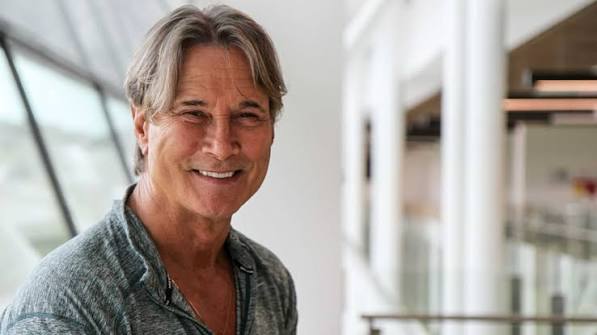
Richard Norton was a respected martial artist, actor, and stunt performer whose extraordinary physical skills helped shape action cinema for decades. Known for his powerful screen presence, impressive fighting abilities, and dedication to martial arts, Norton became a familiar face among fans of martial arts films and international action movies. His career connected traditional martial arts with the fast-paced world of Hollywood entertainment, earning him recognition as both a performer and a skilled fight professional.


From his early training in martial arts to his work alongside major action stars, Richard Norton built a career based on discipline, experience, and technical ability. His contributions extended beyond acting, as he also worked behind the scenes to help create convincing and memorable fight sequences. His story offers an interesting look at the people whose skills and hard work help bring action movies to life.
Who Was Richard Norton?
Richard Norton was an Australian martial artist, actor, and fight choreographer who became known internationally for his work in action films. Born on January 6, 1950, in Melbourne, Australia, he developed a strong interest in martial arts during his youth. Over time, his training became the foundation of a professional career that took him from Australia into the international film industry.
Unlike performers who rely primarily on camera tricks or editing, Norton brought substantial martial arts experience to his screen roles. His movement, timing, and understanding of physical combat helped make his performances believable. He was particularly appreciated by audiences who valued practical fighting techniques and action sequences that showcased genuine athletic ability.
His career also demonstrated that martial arts performers could contribute to cinema in several different ways. Norton was not limited to playing fighters on screen. He also developed expertise in choreography and action coordination, allowing him to help shape the physical storytelling that makes action films exciting.
Early Life and Martial Arts Training
Richard Norton’s journey began in Melbourne, where he grew up before entering the professional world of martial arts and entertainment. His early interest in physical training eventually developed into a serious commitment to learning fighting techniques and improving his athletic abilities.
Martial arts require more than strength. Practitioners must develop balance, coordination, concentration, patience, and an understanding of distance and timing. These qualities became important elements of Norton’s professional identity and later helped distinguish him in film performances.
Building a Strong Foundation
Norton became associated with several martial arts disciplines during his career, including karate and other combat systems. His training helped him develop the physical control needed for demanding action performances.
Consistent practice is essential in martial arts because techniques must become controlled and reliable through repetition. For an actor working in action cinema, this preparation has an additional purpose: movements must look convincing while remaining safe for fellow performers.
Norton’s background gave him an advantage in this environment. His understanding of technique allowed him to approach fight scenes with the perspective of a trained martial artist rather than simply treating them as dramatic movements for the camera.
His professional development also reflected the international character of martial arts. During the second half of the twentieth century, martial arts gained wider recognition through competitions, demonstrations, films, and television. Performers with genuine training became increasingly valuable as audiences developed an appetite for more convincing physical action.
From Bodyguard to Action Star
Before becoming widely recognized as an actor, Norton worked in personal security and fitness training. His professional responsibilities brought him into contact with internationally famous musicians and entertainers, giving him experience in an environment where physical awareness, reliability, and discretion were essential.
He worked with artists including the Rolling Stones, Linda Ronstadt, and James Taylor. These experiences helped him understand the demands of working with high-profile clients and prepared him for opportunities in the entertainment industry.
His transition into film was a natural extension of his existing skills. In 1977, he appeared in ABBA: The Movie, gaining an early connection to the world of cinema. His acting career developed further when he appeared in the 1980 martial arts film The Octagon, starring Chuck Norris.
His Connection With Chuck Norris
Norton developed a lasting professional relationship with Chuck Norris, the American martial artist and action-film star. Their shared interest in martial arts created a strong foundation for their work together.
One of their memorable collaborations was The Octagon, in which Norton played a character involved in the film’s martial arts action. Their screen encounters helped establish his reputation as a capable performer who could hold his own against an experienced action star.
Their relationship continued beyond individual films. Norton later worked as a fight coordinator on the television series Walker, Texas Ranger, which starred Norris. He also made guest appearances on the show, combining his acting experience with his knowledge of martial arts.
Their professional connection became a genuine friendship that lasted for decades. Following Norton’s death in 2025, Norris publicly expressed his grief and remembered him as a close friend and a person who had positively influenced his life.
Memorable Movies and Television Roles
Richard Norton appeared in numerous films across several decades, building a career that included martial arts productions, action thrillers, and major Hollywood releases. His ability to portray both heroes and antagonists made him a versatile presence in the genre.
The Octagon
Released in 1980, The Octagon was an important early feature in Norton’s acting career. The film starred Chuck Norris and followed a martial artist confronting a dangerous organization trained in the ways of the ninja.
The production gave Norton an opportunity to demonstrate his physical skills to a wider audience. It also helped introduce him to the American action-film industry, where martial arts expertise could become a valuable professional asset.
Hong Kong Action Cinema
Norton also established a connection with Hong Kong action cinema, an industry celebrated for its energetic fight choreography and demanding physical performances.
He appeared in productions featuring renowned performers such as Jackie Chan and Sammo Hung. His work in films including Twinkle Twinkle Lucky Stars and Millionaire’s Express placed him within a distinctive filmmaking tradition that often combined martial arts, comedy, elaborate stunts, and fast-paced storytelling.
Working in this environment required adaptability. Fight scenes in Hong Kong productions frequently depend on precise timing, carefully rehearsed movements, and close coordination between performers and stunt teams.
Norton’s martial arts background helped him meet these demands. His performances contributed to films that remain of interest to audiences who appreciate classic international action cinema.
Mad Max: Fury Road
One of Norton’s notable later appearances was in Mad Max: Fury Road, the 2015 action film directed by George Miller. The production became widely recognized for its practical stunts, intense vehicle sequences, and carefully constructed action scenes.
Norton appeared as the Prime Imperator, a member of the fictional world created for the film. His role connected his long career in action cinema with a modern production that placed considerable emphasis on physical performance and stunt coordination.
The film also reflected the continuing value of experienced action professionals. Even as filmmaking technology advanced, practical knowledge of movement, physical timing, and performance safety remained important to producing convincing action.
His Work Behind the Camera
Although Norton was known for appearing in front of the camera, his work behind the scenes was equally significant. He served as a stunt performer, fight choreographer, and stunt coordinator, helping actors and production teams create demanding action sequences.
Fight choreography involves much more than designing impressive movements. A choreographer must consider the characters, the camera angles, the rhythm of the scene, and the safety of everyone involved. Each movement needs to communicate something about the story while remaining carefully controlled.
Norton’s experience as a martial artist gave him practical insight into these responsibilities. He understood how trained fighters move, how different techniques look on camera, and how performers can make staged combat appear convincing without causing unnecessary injury.
Major Film Productions
His behind-the-scenes credits included The Condemned, Mad Max: Fury Road, X-Men: Dark Phoenix, Suicide Squad, and The Suicide Squad. These projects varied considerably in tone and scale, demonstrating the breadth of his experience in physical action.
On large productions, stunt coordination involves collaboration among directors, actors, stunt performers, camera operators, and other crew members. Scenes must be planned carefully, rehearsed thoroughly, and adjusted to suit the practical conditions of filming.
Norton’s work helped connect martial arts expertise with the technical requirements of modern filmmaking. His contributions were not always obvious to audiences, but they formed part of the preparation that makes complex action scenes possible.
He also helped train performers for demanding roles. This work required patience and an understanding that actors have different physical abilities, experience levels, and preparation needs.
His career therefore represented two sides of action cinema: the visible performance that audiences enjoy and the less visible preparation that makes those performances possible.
Personal Life and Marriage
Richard Norton kept much of his personal life away from the spotlight, even while working in an industry that attracts considerable public attention. He married Australian actress and model Judy Green in 1993, and the couple remained together for more than three decades.
Green shared the news of his death in March 2025, expressing the profound loss she had experienced. Her tribute reflected the importance of their relationship and the place Norton held in the lives of those closest to him.
Beyond his professional achievements, Norton was remembered by friends and colleagues for his personality, generosity, and ability to form lasting relationships. His work brought him into contact with people from different countries and professional backgrounds, but his reputation extended beyond the films themselves.
His life also illustrated the different responsibilities that can exist behind a successful entertainment career. Alongside acting and martial arts, he worked in security, fitness training, teaching, and stunt preparation.
Richard Norton’s Death
Richard Norton died on March 30, 2025, in Melbourne, Australia. He was 75 years old. His wife confirmed his death, prompting tributes from colleagues, martial artists, and fans who had followed his work over several decades.
In October 2026, reporting on a coroner’s findings brought further attention to the circumstances surrounding his death. According to those reports, Norton suffered a severe allergic reaction, known as anaphylaxis, following injections of peptides prescribed as part of an experimental treatment. The reaction led to cardiac arrest.
The case raised concerns about the safety of unapproved treatments and the importance of understanding potential risks before using them. The findings also drew attention to the limited evidence surrounding certain experimental peptide therapies.
Norton’s death was a significant loss for the martial arts and action-film communities. His career had spanned generations of performers and filmmaking styles, and he had continued contributing to productions well into his later years.
Although his passing was sudden, the films, training, and professional relationships he left behind remain part of his lasting contribution to entertainment.
His Influence on Martial Arts Cinema
Richard Norton’s legacy extends beyond the characters he portrayed. He belonged to a generation of performers whose genuine martial arts experience helped establish the physical credibility of action films.
During the 1980s and 1990s, martial arts movies attracted audiences who wanted to see skilled performers demonstrate their abilities. Norton’s work alongside stars such as Chuck Norris, Jackie Chan, and Sammo Hung placed him within this important period of action-film history.
His career also demonstrated the value of international collaboration. Australian, American, and Hong Kong productions offered different approaches to action filmmaking, and Norton was able to work across these environments.
A Lasting Professional Legacy
Norton’s influence can also be seen in the importance modern productions place on specialist stunt professionals. As action films became more technically complex, experienced choreographers and coordinators continued to play an essential role in developing safe, believable sequences.
His experience offered a practical example of how martial arts knowledge could be applied beyond traditional training environments. Discipline, physical control, awareness, and teamwork were useful not only in combat sports but also in the collaborative world of filmmaking.
For fans discovering his work today, his filmography provides an opportunity to explore several eras of action cinema. For younger performers, his career illustrates how a specialized skill can develop into a broad professional path when combined with experience and adaptability.
Frequently Asked Questions
Who was Richard Norton?
Richard Norton was an Australian martial artist, actor, stunt performer, and fight choreographer. He worked in action films and television for decades and collaborated with internationally recognized performers, including Chuck Norris, Jackie Chan, and Sammo Hung.
When was Richard Norton born?
Richard Norton was born on January 6, 1950. He grew up in Australia and developed an interest in martial arts before building a career in personal security, acting, and stunt work.
How did Richard Norton become famous?
Norton gained recognition through his martial arts abilities and performances in action films. His appearance in The Octagon helped establish his screen career, while later collaborations with major action stars expanded his international reputation.
Was Richard Norton involved in stunt coordination?
Yes. Norton worked as a stunt performer, fight choreographer, and stunt coordinator. His behind-the-scenes contributions included productions such as Mad Max: Fury Road, Suicide Squad, and The Suicide Squad.
Was Richard Norton married?
Yes. Richard Norton married Judy Green in 1993. Green confirmed his death in March 2025 and publicly expressed her grief.
When did Richard Norton die?
Richard Norton died on March 30, 2025, in Melbourne, Australia. He was 75 years old.
What was Richard Norton’s contribution to action films?
His contribution included acting, stunt performance, fight choreography, and training other performers. His martial arts knowledge helped create realistic physical performances and supported the development of complex action sequences.
Conclusion
Richard Norton built a remarkable career by combining martial arts expertise with acting, stunt performance, and fight choreography. From his early work in Australia to his appearances in international action films and major Hollywood productions, he demonstrated the value of discipline, versatility, and practical experience.
His collaborations with Chuck Norris, Jackie Chan, and Sammo Hung helped connect him with some of the most influential figures in martial arts cinema. Meanwhile, his behind-the-scenes work on films such as Mad Max: Fury Road and The Suicide Squad demonstrated that his professional abilities extended far beyond his on-screen roles.
Norton died in 2025, but his work continues to offer audiences a way to appreciate the skill and preparation behind action filmmaking. His story is a reminder that memorable cinema depends not only on the people audiences see on screen but also on the experienced professionals who help bring those performances to life.