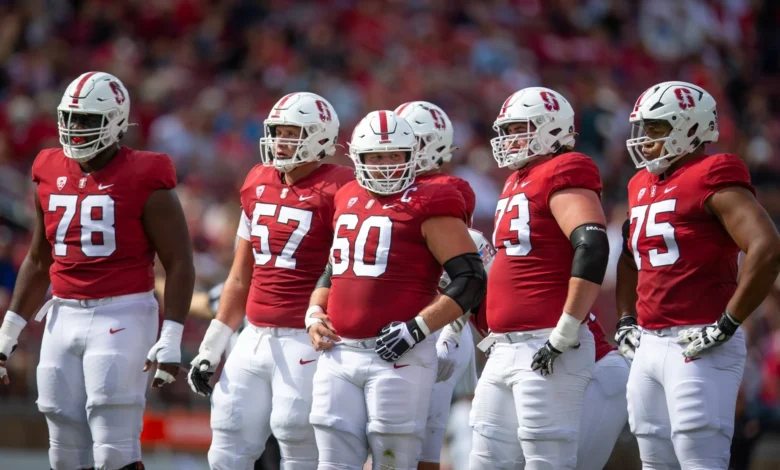
The Stanford football roster for 2026 reflects a program balancing experience, incoming talent, and a changing college football landscape. The Cardinal enter the season with a mix of returning veterans, transfers, and freshmen who could shape the team’s identity throughout the campaign. From established upperclassmen to promising newcomers, the roster offers plenty for Stanford fans to follow.


Stanford’s roster is particularly interesting because it combines players with different backgrounds and levels of experience. Several veterans have multiple years of college football behind them, while the incoming class brings fresh athleticism and competition at several positions. The result is a group that could look noticeably different from the team that took the field in previous seasons.
Stanford Football Roster Has a Strong Mix of Experience
One of the most noticeable features of the 2026 roster is its veteran presence. Stanford lists several fifth-year and sixth-year players, giving the team experienced contributors who have already dealt with the physical and mental demands of college football.
Among those veterans is linebacker Jahsiah Galvan, a fifth-year player who stands 6-foot-2 and weighs 230 pounds. The Iowa native previously played at Northern Iowa before joining Stanford. His experience gives the defense another mature option in the middle of the unit.
Safety Jay Green is another important veteran presence. Listed at 6-foot-3 and 215 pounds, Green is a fifth-year player who previously played at Washington. His size and experience could be valuable in Stanford’s defensive backfield, particularly against teams that rely heavily on downfield passing.
The roster also includes sixth-year running back Tuna Altahir, who previously played at Eastern Washington. Having an experienced running back available can provide stability in a position where consistency and ball security are especially important.
Quarterback Competition Will Draw Attention
Every college football roster receives plenty of attention at quarterback, and Stanford is no exception. The position is often the center of preseason discussion because quarterback play can dramatically influence an entire offense.
The 2026 roster includes freshman Michael Mitchell Jr., a San Francisco product from Archbishop Riordan. His presence represents part of Stanford’s effort to develop young talent for the future.
A freshman quarterback does not automatically mean that he will become the starter, however. College depth charts can change significantly during preseason practices, and playing time depends on performance, health, experience, and coaching decisions.
For Stanford supporters, the quarterback situation will therefore be one of the most important storylines to monitor as the season approaches.
Wide Receiver Room Brings Variety
The wide receiver group on the Stanford football roster features a combination of veterans, transfers, and freshmen.
Senior Jordan Onovughe is one of the more experienced names at the position. The 6-foot-2 receiver previously played at Colorado and brings Power Four experience to the group. His size gives Stanford another option when matchups favor a bigger target.
Carter Shaw is another senior receiver on the roster. Listed at 6-foot-3 and 195 pounds, Shaw previously played at UCLA and adds another experienced option to the passing game.
Stanford also has younger receivers such as Marcus Brown, a junior from Mater Dei, along with freshman Zion Robinson. Robinson is listed at 6-foot-2 and 195 pounds, giving him an intriguing physical profile as he begins his college career.
The receiving group also includes Caden High, Tyler Kuo, Owen van Loben Sels, David Pantelis, Nico Brown, and other players who could compete for meaningful snaps.
That depth should create competition throughout preseason practices. It also gives the coaching staff multiple possibilities when building offensive packages.
The Defensive Backfield Looks Deep
Stanford’s defensive backfield is another area worth watching closely. The roster contains several cornerbacks and defensive backs with a range of experience.
Cam Richardson, a 6-foot-2 junior cornerback, is among the returning options. Stanford also lists junior Brandon Nicholson and junior Javion Randall at cornerback, giving the position room to develop a strong rotation.
Veteran Leroy Bryant previously played at Washington and enters the season as another experienced defensive back. Meanwhile, Stanford has several freshmen arriving with the opportunity to establish themselves early.
The mixture of youth and experience is important in the secondary. Defensive backs must communicate effectively, recognize formations quickly, and maintain discipline against modern passing attacks. Having multiple players capable of contributing can help a team manage injuries and different offensive styles.
Freshmen Could Shape the Future
The 2026 recruiting class is an important part of Stanford’s roster construction. Several freshmen have joined the Cardinal across different position groups.
Among the newcomers are wide receivers Langdon Horace, Daylen Sharper, Atticus Joseph, and Jacob Butler. Stanford has also added offensive linemen including Jay Miller and Ammon Alexander, while defensive newcomers include Max Meier, Keysaun Eleazer, Wassie Lugolobi, Zaiden McDonald, and several others.
Stanford’s official recruiting information also lists Michael Mitchell Jr. at quarterback and Dre Pollard as an athlete. These additions demonstrate that the program is building depth rather than relying solely on experienced players.
Young players may not immediately become starters, but their development can have a major effect over the course of a season. Injuries, performance, and specific matchup needs often create opportunities for freshmen earlier than expected.
Transfers Add Immediate Experience
The modern college football environment makes the transfer portal an important part of roster management. Stanford’s 2026 group includes players who arrived from other college programs, bringing experience that can potentially help the Cardinal compete immediately.
Jahsiah Galvan previously played at Northern Iowa, while Jay Green came from Washington. Jordan Onovughe transferred from Colorado, and Leroy Bryant previously played for Washington.
Other roster additions have experience at different programs as well. The presence of transfers gives Stanford athletes who have already experienced college-level competition and may require less adjustment than a traditional freshman.
At the same time, transfers still need time to learn Stanford’s schemes, terminology, practice routines, and expectations. Their ultimate impact will depend on how quickly they adapt.
Offensive Line Remains a Key Foundation
The offensive line rarely receives the same attention as quarterbacks and receivers, but it is one of the most important parts of any successful football team.
Stanford’s 2026 roster includes experienced offensive linemen alongside younger additions. Nathan Mejia, a fifth-year player who previously competed at Sacramento State, brings valuable college experience to the group.
The incoming class includes large-bodied prospects such as Jay Miller, listed at 6-foot-5 and 320 pounds, and Ammon Alexander, listed at 6-foot-6 and 295 pounds in Stanford’s recruiting information.
Developing reliable offensive line depth will be essential. A strong line can give quarterbacks more time, create running lanes, and make an offense more consistent in difficult games.
What Makes the Roster Interesting?
The biggest strength of the Stanford football roster may be its variety. There is no single type of player dominating the group. Instead, Stanford has combined experienced veterans, transfer additions, returning contributors, and highly regarded freshmen.
That approach gives the coaching staff more flexibility. Experienced players can provide leadership while younger athletes develop behind them. Transfers can compete for immediate roles, while freshmen can gradually earn opportunities.
The roster also reflects how quickly college football changes. Players now have different paths to a program, and successful teams must constantly evaluate development, recruiting, retention, and transfers.
For Stanford, managing those elements effectively could be just as important as individual talent.
What Fans Should Watch During the Season
The most interesting part of a roster is not simply the names listed on paper. It is how those players fit together once games begin.
Stanford fans should watch the quarterback competition, the development of the young receivers, and the performance of the defensive secondary. The offensive line will also deserve attention because its consistency can influence almost every other part of the offense.
Veteran leadership will be another important factor. Players such as Galvan, Green, Altahir, and other upperclassmen can provide stability during challenging stretches.
Meanwhile, freshmen will have opportunities to change the conversation. College football often produces unexpected breakout players, and Stanford’s young roster additions could become important contributors sooner than anticipated.
Frequently Asked Questions
Who is on the Stanford football roster for 2026?
The 2026 roster includes returning players, fifth- and sixth-year veterans, transfers, juniors and sophomores, and a large group of freshmen. Stanford’s official roster lists players by position, class, hometown, previous school, and other details.
Does Stanford have many experienced players?
Yes. The roster includes multiple fifth-year and sixth-year athletes, as well as seniors and juniors with significant college experience. That veteran group can provide leadership while younger players develop.
Who are some notable new players?
The incoming group includes quarterback Michael Mitchell Jr., receivers such as Langdon Horace and Daylen Sharper, offensive linemen Jay Miller and Ammon Alexander, and defensive players including Max Meier and Keysaun Eleazer.
Will the roster stay the same throughout the season?
College football rosters can change because of injuries, eligibility matters, transfers, and other circumstances. For that reason, the official Stanford athletics roster remains the best place to verify the latest player information.
Conclusion
The Stanford football roster for 2026 presents an intriguing combination of experience and youth. Veterans bring knowledge and leadership, transfers provide previous college experience, and freshmen offer the potential for long-term development.
The most important question will not simply be how talented the roster looks on paper, but how effectively those players develop into a cohesive team. Quarterback play, offensive line performance, receiver production, and defensive consistency could all shape Stanford’s season.
For Cardinal fans, that makes the 2026 campaign especially worth following. The roster has enough established experience to provide a foundation, while its younger players offer the possibility of a new chapter for Stanford football.