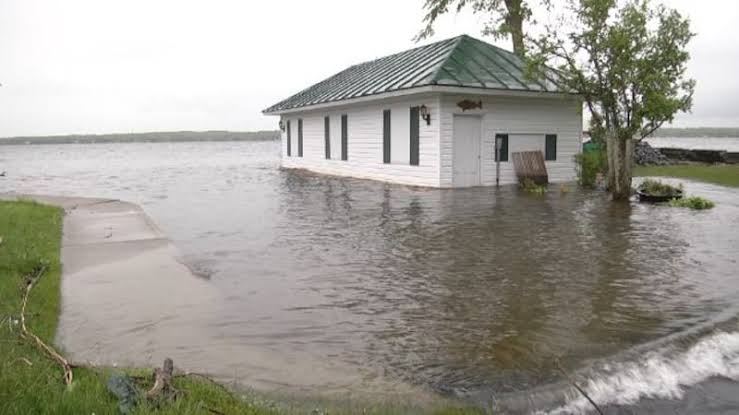
A lakeshore flood watch is an important weather alert that tells people near a large lake that significant flooding may develop. The alert does not mean flooding is guaranteed, but it signals that atmospheric and water conditions are favorable enough for residents, businesses, boaters, and local authorities to prepare. Understanding what the alert means can make it easier to respond calmly and protect property when lake levels begin rising.

What Is a Lakeshore Flood Watch?
The National Weather Service defines a Coastal/Lakeshore Flood Watch as an alert issued when flooding with significant impacts is possible. For the Great Lakes, lakeshore flooding occurs when lake water is pushed onto normally dry land along the shoreline, bays, and areas where the lakes connect with rivers or other waterways.
A watch is different from a warning. A watch means conditions could produce flooding, while a warning indicates that flooding posing a serious threat to life or property is occurring, imminent, or highly likely. The distinction is important because a watch provides time for people to prepare before conditions become more dangerous.
The National Weather Service generally considers a lakeshore flood watch a forward-looking alert. Official guidance indicates that watches can be issued roughly 12 to 48 hours before a potentially significant event, depending on the forecast situation and local procedures.
Why Lakeshore Flooding Happens
Lakeshore flooding is usually the result of several environmental factors working together. Strong winds are one of the most important causes because they can push large amounts of water toward one side of a lake. When sustained winds blow toward a shoreline, water can pile up along that coast and temporarily raise water levels.
Storm systems can make the situation more serious. A powerful low-pressure system may bring strong winds, heavy precipitation, and rapidly changing atmospheric conditions. When these factors occur at the same time, water can move toward vulnerable shoreline communities.
Existing lake levels also matter. A shoreline that is already experiencing elevated water levels can become vulnerable to flooding with a smaller additional rise than it would under normal conditions. The National Weather Service notes that lakeshore flooding can range from relatively minor overflow to significant inundation and severe beach erosion.
Local geography makes another major difference. Two communities on the same lake may experience very different impacts during the same storm. Shoreline shape, elevation, nearby bays, harbor structures, and underwater lakebed characteristics can influence how water moves and where it eventually reaches land.
How Wind Can Push Lake Water Ashore
Wind-driven water is one of the most recognizable mechanisms behind lakeshore flooding. When strong winds blow consistently in one direction across a large body of water, they can cause water to accumulate along the downwind shoreline.
This process can become especially noticeable on the Great Lakes because of their enormous surface areas. A long stretch of open water gives wind plenty of distance over which to transfer energy to the lake surface.
The result may be higher water levels near one shoreline while water levels farther away are comparatively lower. This temporary difference can become dangerous when combined with high background lake levels, waves, and vulnerable coastal infrastructure.
What a Lakeshore Flood Watch Means for Residents
Receiving a lakeshore flood watch does not necessarily mean homes will flood. Instead, it means there is enough potential for significant flooding that people in vulnerable areas should begin preparing.
Residents should pay attention to later forecasts because a watch can eventually be upgraded, canceled, or replaced by another type of alert as forecasters gain more confidence. Conditions can change quickly when a storm’s track, wind direction, or strength changes.
People who live close to the shoreline should consider whether roads, driveways, basements, docks, boats, and other property could be affected by rising water. Outdoor equipment that can be damaged or swept away should be secured before conditions worsen.
Watch, Advisory, or Warning?
Weather alerts can sometimes seem confusing because several terms are used for different levels of risk.
A lakeshore flood advisory generally addresses minor flooding or nuisance flooding. A lakeshore flood watch indicates that significant flooding is possible. A lakeshore flood warning is more urgent because serious flooding is occurring, imminent, or highly likely and may threaten life or property.
The wording matters because each alert calls for a different level of response. A watch is the time to prepare and monitor the forecast. A warning means people in affected areas may need to take immediate protective action according to instructions from local authorities.
Why Waves Can Make Flooding Worse
Lake water levels alone do not tell the entire story. Large waves can add another layer of danger, particularly along exposed shorelines.
Strong winds can generate waves that repeatedly crash against beaches, seawalls, roads, docks, and other structures. Even if average water levels appear manageable, large waves can temporarily send water farther inland.
Wave action can also accelerate shoreline erosion. Beaches and protective dunes may lose sand or sediment during powerful storms, weakening natural defenses against subsequent waves. The National Weather Service specifically notes that lakeshore flooding can range from minor overflow to extensive inundation and severe beach erosion.
Who Is Most Vulnerable?
People living immediately beside the lake are not the only ones who may be affected. Low-lying roads, waterfront businesses, marinas, parks, beaches, parking areas, and communities around bays can also experience flooding.
Connecting waterways can create additional concerns. Lakeshore flooding may affect areas where a Great Lake meets rivers or other waterways, meaning some impacts can extend beyond the immediate beach or waterfront.
Boaters should also take these alerts seriously. Strong winds and waves can make launching, docking, or navigating hazardous. A vessel that is safe under calm conditions can become vulnerable when water levels and wave heights change rapidly.
How to Prepare Before Flooding Begins
Preparation is most effective before water reaches roads or property. During a lakeshore flood watch, residents should review local forecasts and determine whether their property lies in a flood-prone or low-lying area.
Important outdoor belongings should be moved away from areas where rising water or waves could reach them. Boats and other waterfront equipment should be secured according to local marina and emergency guidance.
Drivers should also avoid assuming that a familiar shoreline road will remain passable. Water can cover roads quickly, obscure their condition, and create dangerous driving conditions.
Families should keep phones charged and make sure everyone knows how to receive emergency alerts. People with mobility challenges, older residents, and households with pets may need additional preparation time, making an early response especially valuable.
What to Do If a Watch Becomes a Warning
If a watch is upgraded to a warning, residents in threatened areas should take the situation more seriously. Follow instructions from emergency officials and local authorities rather than waiting until water is already surrounding a property.
Never drive through flooded roads when the depth or condition of the water is uncertain. Moving water can hide damaged pavement, debris, or other hazards.
People should also stay away from dangerous shoreline areas during severe weather. Large waves can knock someone off balance or sweep objects into the water unexpectedly.
The goal of a watch is to provide preparation time. Waiting until flooding is already occurring can remove many of the safest options.
Why Accurate Forecasts Matter
Lakeshore flooding is highly dependent on local conditions. Shoreline topography and nearshore bathymetry can influence the severity and location of flooding, which means a forecast for one part of a lake cannot always be applied directly to another area.
This is why residents should rely on forecasts and alerts from the National Weather Service and local emergency management agencies serving their specific area. Local information is more useful than relying solely on general weather discussions.
Forecast confidence can also improve as a storm gets closer. Wind direction, intensity, lake levels, and wave conditions may all be updated as new observations become available.
Frequently Asked Questions
Does a lakeshore flood watch mean flooding is certain?
No. A watch means significant lakeshore flooding is possible. It is an early alert designed to give residents time to prepare while the exact severity and location of flooding may still be uncertain.
What is the difference between a watch and a warning?
A watch means flooding is possible, while a warning means serious flooding is occurring, imminent, or highly likely. A warning generally requires a faster and more urgent response.
Can strong winds cause lakeshore flooding without extremely heavy rain?
Yes. Strong winds can push lake water toward a shoreline and create higher water levels in vulnerable areas. Large waves generated by those winds can further increase the risk.
Can lakeshore flooding damage beaches and roads?
Yes. Flooding and powerful waves can cause erosion, damage shoreline structures, cover roads, and affect waterfront properties. The severity depends on local geography, water levels, wind, waves, and the strength and duration of the storm.
Where does a lakeshore flood watch apply?
The alert applies to the specific shoreline areas identified by the issuing National Weather Service office. The affected zone can vary depending on the lake, storm setup, shoreline characteristics, and expected water movement.
Conclusion
A lakeshore flood watch should be viewed as an opportunity to prepare rather than a reason to panic. It means significant flooding is possible, and conditions may develop that push lake water onto normally dry land.
Understanding the difference between a watch, advisory, and warning helps residents make better decisions. Strong winds, elevated lake levels, waves, storm systems, and local shoreline geography can all contribute to flooding, sometimes producing serious impacts within a relatively short period.
The safest approach is to monitor official forecasts, secure vulnerable property, avoid exposed shoreline areas during dangerous conditions, and respond promptly if a watch becomes a warning. With early preparation and reliable information, communities can reduce risks and react more effectively when severe lakeshore weather develops.