Brooklyn Nets vs Pacers Match Player Stats: Key Performances and Complete Game Analysis

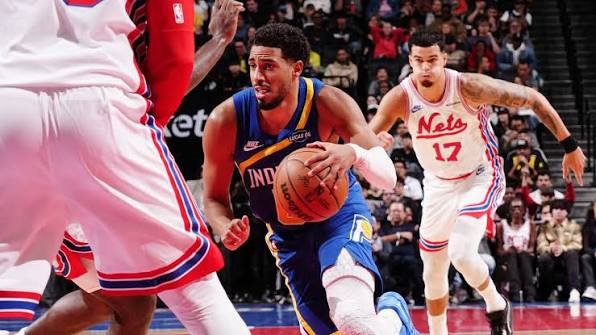
The Brooklyn Nets vs Pacers match player stats provide a closer look at the individual performances, scoring contributions, rebounds, assists, and defensive efforts that shape this NBA matchup. When Brooklyn faces Indiana, the contest brings together two teams with different playing styles, creating an interesting battle for basketball fans who want to understand more than just the final score.


The most useful way to analyze this matchup is to examine how individual players influence the game. Scoring efficiency, ball movement, defensive pressure, and rebounding can reveal why one team gains an advantage over the other. However, exact statistics depend on the specific game being analyzed, so a date or box score is necessary to confirm individual numbers accurately.
Understanding the Nets vs Pacers Matchup
The Brooklyn Nets and Indiana Pacers compete in the Eastern Conference, where every regular-season game can influence a team’s position in the standings. Their matchups offer an opportunity to compare offensive execution, defensive organization, and the ability to maintain consistency across four quarters.
Indiana has often been associated with a fast-paced offensive approach built around transition opportunities and ball movement. Brooklyn’s approach can vary depending on its available roster, player rotations, and coaching strategy. These differences make the matchup particularly interesting when evaluating individual performances.
The Brooklyn Nets vs Pacers match player stats help explain which players controlled important moments and which statistical categories made the biggest difference. A high-scoring performance might attract attention, but the complete box score often tells a more detailed story about how the game developed.
Key Statistics to Watch
Points and Shooting Efficiency
Points are usually the first numbers fans examine after an NBA game. However, total scoring alone does not necessarily identify the most effective offensive player.
Field-goal percentage shows how frequently a player converts attempts into baskets. Three-point percentage measures long-range accuracy, while free-throw percentage indicates performance at the foul line. Together, these statistics provide a clearer picture of offensive efficiency.
A player who scores 20 points on efficient shooting may contribute more effectively than someone who reaches the same total after taking considerably more attempts. Field-goal attempts, three-point attempts, and free throws should therefore be considered alongside the final scoring total.
Against Indiana, Brooklyn’s offensive players may need to make smart decisions when defenders close passing lanes or challenge shots. Indiana, meanwhile, benefits when its players create open opportunities through effective movement and timely passes.
Rebounds and Second-Chance Opportunities
Rebounding is another important category in the box score. Offensive rebounds give teams additional opportunities to score, while defensive rebounds help end an opponent’s possession.
A team that consistently secures defensive rebounds can limit second-chance points and create opportunities to push the ball up the court. Offensive rebounds can be especially valuable during close games, when a single extra possession may change the outcome.
When reviewing the Nets and Pacers, fans should examine both individual rebound totals and the overall team numbers. A center might lead in rebounds, but contributions from guards and forwards can also determine which team controls the glass.
Assists and Ball Movement
Assists help illustrate how effectively a team creates scoring opportunities through passing. A player with a high assist total may be directing the offense, finding teammates in open positions, or creating opportunities after drawing defensive attention.
Indiana’s offensive identity has frequently emphasized quick decisions and ball movement. For Brooklyn, the effectiveness of its playmakers depends on spacing, player availability, and how successfully the team creates separation from defenders.
Assist totals should be considered alongside turnovers. A player who creates several scoring opportunities while protecting possession can have a substantial influence on the game, even without leading either team in points.
Brooklyn Nets Player Performance
Brooklyn’s performance depends on how effectively its players balance scoring, playmaking, and defensive responsibilities. The strongest individual performances usually combine several contributions rather than relying entirely on points.
Scoring Leaders
The Nets’ leading scorer is an important player to examine when evaluating the matchup. Scoring can come from drives to the basket, midrange jumpers, three-point shots, and free throws. Each method places different demands on the opposing defense.
A productive scoring performance also depends on shot selection. Players who recognize defensive mismatches and attack favorable positions can help Brooklyn maintain offensive rhythm. If Indiana forces difficult attempts or limits open shots, Brooklyn may need contributions from several players rather than depending on one primary scorer.
To identify the actual scoring leader, readers should check the official box score for the specific game. The highest points total, shooting percentages, and minutes played provide useful context for comparing individual contributions.
Playmakers and Assists
Playmakers help Brooklyn organize possessions and create opportunities for teammates. Their influence becomes particularly important when the opposing defense applies pressure or attempts to disrupt passing lanes.
Assists are an obvious measure of passing contributions, but they do not capture every useful decision. A pass that creates an open shot may not receive an assist if the shooter misses. Likewise, a player can create space for a teammate without touching the ball during the final sequence.
For that reason, assist totals should be considered alongside turnovers, shot creation, and the team’s overall offensive performance.
Defensive Contributions
Defense is essential when Brooklyn faces a team capable of generating points in transition. Steals, blocks, defensive rebounds, and forced turnovers help reveal how individual players influence Indiana’s offense.
However, defensive statistics have limitations. A player may defend effectively without recording a steal or block, while a high number of steals does not automatically mean that every defensive possession was successful.
Watching how Brooklyn contests shots, protects the paint, and recovers after defensive rotations can provide additional context for the numbers in the box score.
Indiana Pacers Player Performance
Indiana’s individual statistics can reveal how well the team executes its offensive approach and responds to Brooklyn’s defensive pressure. Scoring, passing, rebounding, and transition play all contribute to the Pacers’ overall performance.
Scoring and Offensive Rhythm
Indiana’s scoring efficiency is a major factor in evaluating its performance against Brooklyn. When players convert open shots and attack defensive gaps, the team can build momentum without relying on difficult individual attempts.
Three-point shooting is particularly important because successful perimeter shots can stretch the defense and create more space near the basket. However, outside shooting can fluctuate from game to game, making it important to examine both shooting percentages and the number of attempts.
Points in the paint and free-throw attempts also deserve attention. These figures help explain whether Indiana is creating opportunities close to the basket or depending primarily on perimeter scoring.
Assists and Transition Play
Fast breaks can produce efficient scoring opportunities before the opposing defense has time to establish its positions. Indiana can benefit when players secure rebounds, move the ball quickly, and recognize opportunities to attack in transition.
Assists provide one way to measure this offensive movement. The number of turnovers, however, can show whether the team is balancing speed with control.
A high-tempo approach is most effective when players make accurate passes and choose appropriate moments to attack. Against Brooklyn, controlling possessions can be just as important as creating additional opportunities.
Rebounding and Interior Defense
Indiana’s rebound totals help explain how effectively it competes for possession. Defensive rebounds can prevent Brooklyn from extending possessions, while offensive rebounds may create valuable second-chance opportunities.
Interior defense also matters when the Nets attack the basket. Blocks can indicate successful rim protection, but positioning and defensive discipline are equally important. Avoiding unnecessary fouls can help a team maintain its defensive structure throughout the game.
Comparing the Two Teams
The most informative Brooklyn Nets vs Pacers match player stats analysis compares both teams across the same statistical categories rather than focusing on isolated individual achievements.
| Statistical category | What it reveals |
|---|---|
| Points | Overall scoring contribution |
| Field-goal percentage | Efficiency on two-point and three-point attempts |
| Three-point percentage | Accuracy from beyond the arc |
| Rebounds | Control of missed-shot opportunities |
| Assists | Contributions to teammate scoring |
| Steals | Disruptions of opposing possessions |
| Blocks | Contested or rejected shots |
| Turnovers | Lost possessions |
| Free-throw percentage | Accuracy at the foul line |
| Minutes played | Player involvement and workload |
These categories work best when interpreted together. For example, a team may score more points but still struggle with turnovers or defensive rebounds. Another team may shoot less accurately yet remain competitive by generating additional possessions and converting free throws.
The final score provides the outcome, while the box score helps explain how that outcome occurred.
What Determines the Game’s Outcome?
Shooting Efficiency
Shooting efficiency can determine whether a team converts its possessions into points. Teams that generate open looks and finish at the basket consistently place pressure on the opposing defense.
Three-point shooting deserves particular attention, but it should not be evaluated in isolation. A team can compensate for average perimeter shooting through strong interior scoring, free throws, and offensive rebounds.
Turnovers and Possession Control
Turnovers can quickly change the momentum of a game. An inaccurate pass or a lost dribble may give the opposition an opportunity to score before the defense is organized.
For Brooklyn and Indiana, limiting unnecessary mistakes is especially important when either side tries to increase the tempo. The team that protects the ball while creating quality shots may gain a meaningful advantage.
Bench Contributions
Starting players usually receive much of the attention, but reserve players can influence the outcome significantly. Bench scoring, defensive energy, and rebounding can help a team maintain its performance when starters rest.
A deeper rotation may also give a coach more flexibility when a player encounters foul trouble or struggles with shooting. Bench statistics therefore provide a useful way to evaluate the overall strength of each team’s performance.
How to Read the Match Player Stats
Fans looking for reliable Brooklyn Nets vs Pacers match player stats should begin with the final box score and confirm the date of the game. This is important because individual totals change with every matchup, and players may miss games because of injuries, rest, or coaching decisions.
The next step is to compare individual statistics with team totals. A player who records several assists may have helped create efficient offense, but the team’s shooting percentages reveal whether those opportunities became points.
Minutes played also matter. A player who produces strong numbers in limited minutes may have made an efficient contribution, while a player logging heavy minutes may have carried a greater offensive or defensive workload.
Finally, consider the game situation. Statistics recorded during a close fourth quarter may carry different practical significance from numbers accumulated when the outcome is already decided. Context helps turn a list of numbers into a meaningful account of the game.
Why Individual Matchups Matter
Individual battles often shape the flow of an NBA game. A guard who creates space against tight defense can open opportunities for teammates, while a strong rebounder can prevent the opposition from generating second-chance points.
The matchup between Brooklyn’s perimeter defenders and Indiana’s playmakers is worth watching because it can influence ball movement and shot quality. Similarly, the battle between the teams’ frontcourt players can determine who controls rebounds and interior scoring opportunities.
Coaching decisions also affect individual statistics. Changes in defensive assignments, substitutions, and playing time can influence which players receive the most opportunities. A player’s performance should therefore be evaluated in relation to the team’s strategy rather than as an isolated achievement.
Frequently Asked Questions
Where Can I Find Brooklyn Nets vs Pacers Match Player Stats?
The official NBA box score is a reliable starting point for checking points, rebounds, assists, shooting percentages, steals, blocks, turnovers, and minutes played. Make sure you select the correct game date because the statistics differ between matchups.
Which Player Scored the Most Points?
The leading scorer depends on the specific game. Check the individual scoring totals in the relevant box score to identify the player with the most points. Without a confirmed game date, naming a scoring leader would risk providing incorrect information.
Which Statistics Matter Most in This Matchup?
Points, shooting efficiency, rebounds, assists, and turnovers are among the most useful categories. Defensive statistics, free-throw accuracy, and bench contributions provide additional context for understanding the result.
Why Are Assists Important When Comparing the Teams?
Assists help show how effectively players create scoring opportunities for their teammates. When considered alongside shooting percentages and turnovers, they provide insight into offensive execution and ball movement.
Do Player Stats Explain the Entire Game?
No. Box scores provide valuable information, but they cannot capture every aspect of basketball. Defensive positioning, off-ball movement, communication, and the timing of important plays may require watching the game or reviewing detailed video analysis.
How Can I Compare Individual Players Fairly?
Compare players using several categories, including shooting efficiency, rebounds, assists, turnovers, and minutes played. Consider their positions and responsibilities, as well as the specific circumstances of the game, before deciding which player performed best.
Conclusion
The Brooklyn Nets vs Pacers match player stats offer a valuable way to understand the performances behind this Eastern Conference matchup. Points reveal scoring contributions, rebounds show control of possession, assists highlight playmaking, and defensive statistics help explain how teams challenge their opponents.
A complete analysis should go beyond the leading scorer to examine shooting efficiency, turnovers, bench production, and the contributions of players who influence the game without dominating the box score.
The most important consideration is accuracy. Because player statistics vary from one meeting to another, the specific game must be identified before exact figures or individual leaders can be reported confidently. By combining verified statistics with an understanding of basketball strategy, fans can develop a clearer picture of how Brooklyn and Indiana perform, where each team holds an advantage, and which individual contributions make the biggest difference.