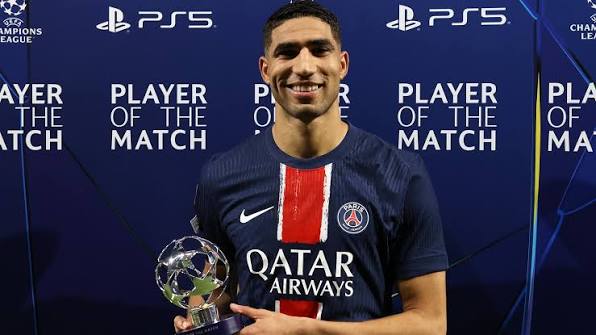
Champions League matches bring together some of the strongest football clubs in Europe for a competition filled with unforgettable goals, dramatic comebacks, tactical battles, and passionate supporters. Every season, the tournament attracts millions of viewers who want to follow their favorite teams, discover emerging stars, and witness football at its highest level. From the opening league-phase fixtures to the tension of the knockout rounds, every game can influence the journey toward European glory.


The UEFA Champions League is more than a football tournament. It is a stage where legendary players build their reputations, managers test their strategies, and clubs compete for one of the most prestigious trophies in the sport. Understanding how the competition works makes it easier for fans to follow the fixtures, interpret the standings, and appreciate the importance of every result.
What Makes the Champions League Special?
The Champions League stands apart because it brings together leading clubs from different European domestic leagues. Teams that normally compete against familiar opponents must adapt to different playing styles, tactical systems, and football cultures.
A match between an English club and a Spanish side, for example, can offer a fascinating contrast in pace, possession, pressing, and defensive organization. Italian teams may emphasize tactical discipline, while German clubs are often associated with energetic pressing and quick transitions. These are general tendencies rather than fixed rules, but they help explain why European competition produces such varied encounters.
The tournament also creates opportunities for players to perform on an international club stage. A young forward can become a household name after scoring against an established European giant, while an experienced goalkeeper can define an entire campaign with a series of outstanding saves.
For supporters, this combination of elite talent, different football philosophies, and high stakes makes every round worth watching.
How the Competition Works
The Champions League adopted a new format beginning with the 2024–25 season. Instead of the traditional group stage, the competition introduced a single league phase featuring 36 clubs.
Each team plays eight league-phase matches against eight different opponents, with four games at home and four away. The opponents are determined through a draw system designed to create a varied schedule while balancing the competitive strength of the fixtures.
Every result contributes to one shared league table. A victory earns three points, a draw earns one point for each team, and a defeat earns no points. These familiar football scoring rules make the standings relatively easy to understand, although qualification also depends on the competition’s official tie-breaking regulations.
The format gives clubs more varied challenges and creates additional possibilities for unexpected results. A team might begin strongly, struggle during the middle of the phase, and still have an opportunity to improve its position in the remaining fixtures.
Qualification for the Knockout Stage
The league table determines which teams advance directly and which must compete for another opportunity.
The top eight clubs qualify directly for the round of 16. Teams finishing from ninth to 24th enter a two-legged knockout play-off, with the winners joining the top eight in the next round. Clubs finishing below 24th are eliminated from the competition.
This structure means that the final league-phase games can be particularly important. A single victory may improve a team’s position, secure direct qualification, or help it avoid an additional round of matches.
Why Every Match Matters
The importance of Champions League matches extends beyond the final score. Results can influence qualification, confidence, squad management, and the pressure placed on managers.
A home victory against a direct rival can provide a valuable advantage in the standings. Conversely, losing points against an opponent expected to be beaten may leave a club needing stronger performances later in the competition.
Away matches can be especially demanding. Players must perform in unfamiliar stadiums, deal with hostile atmospheres, and adjust to the opponent’s tactical approach. Some teams respond confidently to these conditions, while others find it difficult to maintain their usual rhythm.
The stakes become even higher during the knockout rounds, when mistakes can end a club’s European campaign. Managers must decide when to attack, when to protect a lead, and how to use substitutes without disrupting the team’s balance.
These decisions are part of what makes the tournament compelling. Football is unpredictable, and even a team with superior individual talent can struggle against an opponent that organizes itself effectively.
The Biggest Clubs and Their European Ambitions
Several clubs have developed remarkable Champions League histories. Real Madrid is particularly associated with the competition, having established an outstanding record of European success. Bayern Munich, Barcelona, Liverpool, AC Milan, and other historic sides have also played important roles in shaping the tournament.
However, reputation alone does not guarantee success. Every season introduces different challenges, and clubs must build a balanced squad capable of competing across several months.
Real Madrid often attracts attention because of its history and ability to perform in decisive moments. Barcelona is closely associated with technical football and possession-based approaches, while Bayern Munich has traditionally combined physical intensity with attacking quality. Liverpool’s European campaigns have also produced memorable comebacks and emotionally charged performances.
These identities can evolve as managers, players, and tactical priorities change. Fans should therefore judge each season on current performances rather than relying exclusively on historical achievements.
Smaller or less celebrated clubs can also make a strong impression. A well-organized team with a clear tactical plan may challenge a wealthier opponent, proving that preparation and teamwork remain essential even at the highest level.
Players Who Shape the Biggest Games
Individual performances frequently determine the outcome of important European fixtures. A striker may need only one opportunity to change a match, while a creative midfielder can unlock a compact defense with a precise pass.
Goalkeepers deserve particular attention. Their saves can preserve a narrow lead, keep a team in contention, or send a knockout tie toward extra time. Defenders also play a crucial role by limiting space, winning aerial duels, and preventing dangerous counterattacks.
Modern Champions League football places considerable demands on midfielders. They must control possession, recover the ball, support the defense, and create attacking opportunities. Players who can perform these tasks consistently often become central to their team’s success.
Young talents can also use the competition to demonstrate their potential. Facing experienced international opponents provides a demanding test of decision-making, concentration, and technical ability. Strong performances can increase a player’s reputation, although long-term success depends on consistency rather than a single impressive evening.
How to Follow Fixtures and Results
Fans following Champions League matches should pay attention to the fixture schedule, kick-off times, team news, and the latest league standings. These details help explain the context surrounding each game.
Official competition announcements and club communications are useful for confirming fixture changes, suspensions, injuries, and starting lineups. Kick-off times may be displayed in different time zones, so checking the local time is important when planning to watch a match live.
The matchday lineup can reveal a manager’s intentions. Selecting an additional midfielder may indicate a desire for greater control, while starting two attacking forwards could suggest an aggressive approach. Nevertheless, lineups alone do not determine how a match will unfold.
Live statistics can provide further context. Possession, shots on target, completed passes, and expected goals may help explain which team is creating better opportunities. However, statistics should be interpreted carefully because they cannot fully capture defensive organization, individual errors, or the psychological pressure of a decisive moment.
Fans should also distinguish confirmed information from rumors. Predicted lineups and transfer speculation are not the same as official announcements, and reports about injuries or team selection can change before kick-off.
The Importance of Tactics
Tactical preparation often separates successful teams from those that struggle in European competition. Managers must understand their opponents’ strengths and identify weaknesses without compromising their own team’s structure.
High pressing can force defensive mistakes and create opportunities close to the opposition’s goal. However, pressing requires coordination and energy, and an opponent that passes through the pressure can exploit the space left behind.
A deeper defensive block offers another approach. By protecting central areas and limiting space between the defensive and midfield lines, a team may frustrate a technically superior opponent. The challenge is to remain organized while creating enough attacking threat to make the strategy effective.
Transitions are equally important. When possession changes, teams must react quickly. Winning the ball can create an immediate counterattacking opportunity, while losing it in a dangerous area can expose the defense.
In knockout football, managers must also consider the overall tie. A team that leads after the first leg may approach the return match differently from one that needs to recover a deficit. Game management, substitutions, and discipline can become as important as attacking quality.
The Atmosphere of European Football
The Champions League experience extends beyond the pitch. Supporters create distinctive atmospheres through chants, flags, coordinated displays, and traditions that reflect their clubs’ identities.
For many fans, attending a European night is a memorable experience because the occasion combines sporting significance with a sense of shared community. The anticipation before kick-off, the reaction to a crucial goal, and the tension during the closing minutes can make a match unforgettable.
Television audiences also contribute to the tournament’s global reach. Supporters from different countries follow clubs they admire, discuss tactical decisions, and share reactions to dramatic moments. Social media has made these conversations immediate, allowing fans to engage with major events as they happen.
Despite the attention surrounding famous clubs and superstar players, the emotional core of the competition remains the same: two teams competing to win a football match, with supporters hoping their side will create a moment worth remembering.
What to Expect From Future Campaigns
Future Champions League campaigns will continue to reflect changes in football tactics, player development, sports science, and squad management. Clubs increasingly focus on physical preparation, recovery, and data analysis to help players maintain high performance throughout demanding schedules.
The expanded league phase also creates a different rhythm for the competition. Teams face a wider range of opponents before the knockout rounds, requiring managers to adapt their plans to different styles of play.
Supporters can expect established European powers to remain major contenders, but football rarely follows a predictable script. Injuries, difficult draws, tactical innovations, and individual brilliance can all change a campaign’s direction.
The most reliable way to assess a team’s prospects is to consider its current form, squad depth, defensive stability, attacking efficiency, and ability to perform under pressure. Past achievements provide useful context, but the next match must still be won on the pitch.
Frequently Asked Questions
How many teams compete in the Champions League league phase?
Since the 2024–25 season, the league phase has included 36 teams. Each club plays eight matches against eight different opponents, with four at home and four away.
How do teams qualify for the knockout rounds?
The top eight teams in the league table qualify directly for the round of 16. Clubs finishing from ninth to 24th enter a knockout play-off, while teams finishing below 24th are eliminated.
How many points does a team receive for winning?
A team earns three points for a victory, one point for a draw, and no points for a defeat during the league phase.
Why are Champions League matches so popular?
They bring together leading European clubs, internationally recognized players, different tactical approaches, and high-stakes competition. The possibility of unexpected results also makes the tournament exciting for neutral viewers.
Where can fans find accurate fixtures and results?
Fans can consult official UEFA competition information and participating clubs’ announcements for confirmed fixtures, results, standings, and team news. Local broadcasters can provide details about live coverage in individual countries.
Are knockout matches played over two legs?
The knockout play-offs and rounds before the final generally use two-legged ties, with each team playing at home once. The final is a single match at a designated venue. Competition rules should always be checked for the relevant season.
Conclusion
Champions League matches remain among the most compelling events in world football because they combine elite competition, tactical intelligence, individual brilliance, and extraordinary moments of drama. The modern format gives teams a varied league-phase challenge before the pressure of the knockout rounds begins, making consistency essential throughout the campaign.
For supporters, understanding the format, following confirmed fixtures, and paying attention to team tactics can make every match more rewarding. Historic clubs may enter with impressive reputations, but results are decided by performances on the pitch. That uncertainty is part of the tournament’s enduring appeal and the reason European football continues to create memories for fans around the world.