Michael Jordan Net Worth: How the Basketball Legend Built His Billion-Dollar Fortune

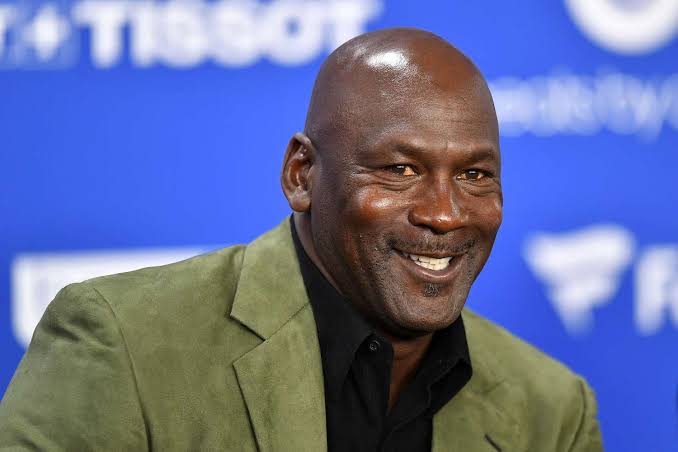
Michael Jordan is widely regarded as one of the greatest basketball players of all time, but his achievements extend far beyond the court. His business decisions, legendary partnership with Nike, ownership of professional sports teams, and global brand have transformed him into one of the wealthiest athletes in history. The subject of Michael Jordan net worth attracts attention because his financial success demonstrates how an extraordinary sporting career can become the foundation of a lasting business empire.


Jordan earned millions during his NBA career, but his greatest financial achievements came from commercial partnerships and investments that continued generating wealth long after his retirement. From the creation of the Air Jordan sneaker brand to his involvement in professional basketball ownership, his journey offers a fascinating look at the relationship between sports, business, and personal branding.
Michael Jordan Net Worth in 2026
Michael Jordan’s fortune is estimated at approximately $3.8 billion, based on widely reported billionaire wealth estimates from recent years. However, his exact net worth in 2026 cannot be confirmed without access to his complete financial records, private investments, liabilities, and current asset valuations.
His wealth is particularly remarkable because professional basketball salaries account for only a portion of his financial success. Jordan’s commercial agreements, especially his long-standing relationship with Nike, have played a much larger role in building his fortune.
Unlike athletes who depend primarily on salaries and performance bonuses, Jordan developed a business portfolio that could continue producing income after his playing days ended. His name, image, and reputation remain commercially valuable decades after his final NBA game.
It is important to understand that Michael Jordan net worth represents an estimate of his total assets minus liabilities, rather than the amount of cash he keeps in a bank account. His wealth includes business interests, investments, brand-related income, and other assets whose values can change over time.
Early Life and Basketball Career
Michael Jeffrey Jordan was born on February 17, 1963, in Brooklyn, New York, and grew up in Wilmington, North Carolina. He developed a passion for basketball during his childhood and eventually became one of the most influential players the sport has ever seen.
Jordan attended the University of North Carolina at Chapel Hill, where he established himself as an outstanding college basketball player. In 1982, he made the game-winning shot in the NCAA championship final, helping North Carolina defeat Georgetown.
The Chicago Bulls selected Jordan with the third overall pick in the 1984 NBA Draft. His combination of athleticism, scoring ability, competitive determination, and charisma quickly made him a basketball sensation.
During his NBA career, Jordan won six championships with the Chicago Bulls and earned five regular-season Most Valuable Player awards. He also won six NBA Finals MVP awards and became a global sporting icon.
These achievements helped establish the reputation that later made him an exceptionally attractive partner for major international brands.
NBA Salary and Career Earnings
Jordan earned substantial salaries during his professional basketball career, particularly during his final seasons with the Chicago Bulls. Nevertheless, his NBA earnings were relatively modest compared with the fortunes accumulated by some modern basketball superstars.
According to widely reported career salary figures, Jordan earned approximately $90 million in NBA salary before taxes and other expenses. His earnings increased dramatically during the 1990s, when he became one of the league’s biggest attractions.
During the 1996–97 and 1997–98 seasons, Jordan received exceptionally large contracts. His salary for the 1997–98 season was approximately $33 million, making it one of the highest single-season salaries in NBA history at the time.
His salary was only one component of his overall earnings. Jordan also received income from advertising campaigns, sponsorship arrangements, merchandise sales, and licensing agreements.
These commercial opportunities helped turn his popularity into a long-term financial advantage. His career illustrates why an athlete’s earning potential can extend well beyond the contract negotiated with a professional team.
Nike and the Air Jordan Empire
The most important factor behind Jordan’s extraordinary wealth is his partnership with Nike. When he signed his first Nike agreement in 1984, the deal reportedly included annual compensation of $500,000 plus royalties.
At the time, Jordan was a promising young basketball star. Neither the company nor the wider sports industry could have fully anticipated the cultural influence that the partnership would eventually achieve.
The Air Jordan sneaker line became a major force in athletic footwear. Its popularity extended beyond basketball courts, attracting sneaker collectors, fashion enthusiasts, and fans who admired Jordan’s playing style.
How Jordan Brand Generates Wealth
Jordan’s partnership with Nike developed into a business phenomenon. The Jordan Brand expanded from basketball shoes into clothing, accessories, and other sports-related products.
Unlike a traditional endorsement arrangement that pays an athlete a fixed fee for appearing in advertisements, a royalty-based agreement can connect compensation to product sales. The exact terms of Jordan’s current agreement are not fully public, so individual payment figures should be treated cautiously.
Forbes has reported that Jordan has earned billions of dollars in pretax income from corporate partnerships throughout his career. Nike is the most significant contributor to that total, alongside other long-standing commercial relationships.
This explains why his financial success continued growing even after he stopped playing professional basketball. His name became a recognizable commercial asset, and the brand built around it developed a life of its own.
Charlotte Hornets Ownership
Another major contributor to Jordan’s fortune was his investment in the Charlotte Hornets.
Jordan became the franchise’s majority owner in 2010 after purchasing a controlling interest in the team, then known as the Charlotte Bobcats. Reports placed the transaction’s valuation at approximately $275 million.
Owning an NBA franchise gave Jordan a different kind of financial opportunity. Rather than earning money by playing for a team, he held an ownership interest in a professional sports business whose value could appreciate over time.
In 2023, Jordan agreed to sell his majority stake in the Hornets to a group led by Gabe Plotkin and Rick Schnall. The transaction valued the franchise at approximately $3 billion.
The sale represented a substantial increase over the reported valuation when he acquired control. However, the franchise’s overall valuation should not be confused with the amount Jordan personally received, because the final proceeds depend on the ownership stake sold and the transaction’s financial terms.
Jordan retained a minority ownership interest after the sale, allowing him to maintain a connection to the franchise.
Other Business Ventures
Jordan’s financial interests extend beyond basketball shoes and team ownership. Over the years, he has participated in businesses and investments connected to sports, entertainment, beverages, and other consumer markets.
NASCAR and 23XI Racing
Jordan became a co-owner of 23XI Racing in 2020 alongside longtime NASCAR driver Denny Hamlin. The team entered the NASCAR Cup Series in 2021 and expanded Jordan’s involvement in professional sports.
The investment reflects a strategy that goes beyond his original basketball audience. NASCAR offers a different fan base, commercial partnerships, sponsorship opportunities, and exposure to another major American sporting market.
Like any sports investment, however, the team’s financial performance depends on expenses, sponsorship revenue, competition results, and broader business conditions. Its contribution to Jordan’s personal wealth cannot be established simply by looking at its public profile.
Investments and Brand Partnerships
Jordan has also been associated with DraftKings as an investor and special adviser to its board. He has participated in other investment opportunities, including sports-focused ventures.
His commercial history also includes partnerships with companies such as Gatorade and Hanes. These relationships helped establish his image across different consumer markets and contributed to his earning power outside basketball.
His involvement in Cincoro Tequila represents another extension of his business interests into the premium consumer market.
Not every investment produces the same financial results, and the details of private holdings are not always publicly available. Nevertheless, Jordan’s diverse interests show how he has used his public reputation to access opportunities across several industries.
Real Estate and Luxury Lifestyle
Jordan’s wealth has also supported an impressive lifestyle, including luxury properties, travel, and recreational interests. However, the value of these personal assets should not be confused with his business earnings.
One of his best-known properties was his large estate in Highland Park, Illinois. The mansion attracted considerable attention because of its size, distinctive features, and long period on the real estate market before it eventually sold.
Jordan has also been associated with a luxury golf lifestyle, including The Grove XXIII, his exclusive private golf club in Florida. Golf has long been one of his interests away from basketball.
Although these assets contribute to his overall financial picture, the exact value of his personal property and private investments is not publicly established in full.
Philanthropy and Giving Back
Jordan’s financial success has also enabled him to support charitable causes. His philanthropic efforts have included donations connected to education, healthcare, racial equality, and community development.
In 2023, he donated $10 million to Make-A-Wish America to mark his 60th birthday. The organization recognized the contribution as the largest individual donation in its history at that time.
Jordan has also committed substantial funds to initiatives addressing social justice and educational opportunities. His charitable activities demonstrate that his financial legacy extends beyond business ownership and commercial success.
It is worth distinguishing announced charitable commitments from completed donations, as the timing and structure of philanthropic contributions can vary. Nevertheless, his public giving has become a notable part of his life after basketball.
Michael Jordan Net Worth Compared With His NBA Earnings
One of the most surprising aspects of Michael Jordan net worth is the difference between his career salary and his estimated fortune.
Jordan earned approximately $90 million in NBA salary, according to Forbes. In contrast, his estimated wealth reached $4.7 billion on Forbes’ real-time profile as of October 30, 2026.
The difference highlights the importance of long-term commercial partnerships and business ownership. Jordan’s basketball career created the reputation that made these opportunities possible, but his financial growth depended on much more than athletic performance.
His experience also shows why headline earnings and net worth are not interchangeable. Career earnings measure money received over time, while net worth estimates the value of assets after accounting for liabilities.
The precise division of Jordan’s fortune among royalties, investments, property, and other holdings remains private. Even so, the available evidence makes clear that his business activities have played a central role in his extraordinary financial journey.
Conclusion
Michael Jordan’s financial journey demonstrates how sporting excellence can become the foundation of a lasting business empire. As of October 30, 2026, Forbes estimated Michael Jordan net worth at approximately $4.7 billion, making him one of the wealthiest athletes in history.
His NBA achievements established his worldwide reputation, while the Air Jordan partnership with Nike and his investment in the Charlotte Hornets helped transform that reputation into substantial wealth. Additional business ventures, investments, and endorsement agreements have further diversified his financial interests.
Jordan’s story is ultimately about more than earning money through basketball. It illustrates the importance of building a recognizable brand, pursuing long-term opportunities, and understanding the value of ownership. His legacy continues to influence both professional sports and the business world.
Frequently Asked Questions
What is Michael Jordan net worth in 2026?
Forbes estimated Michael Jordan’s net worth at approximately $4.7 billion as of October 30, 2026. This figure is an estimate rather than a publicly disclosed personal financial statement.
How did Michael Jordan become a billionaire?
Jordan built his fortune through a combination of NBA earnings, commercial endorsements, Nike royalties, and business investments. His Jordan Brand partnership and Charlotte Hornets ownership have been particularly important to his financial success.
How much money did Michael Jordan earn from the NBA?
According to Forbes, Jordan earned approximately $90 million in NBA salary during his professional basketball career. His total earnings from playing and other arrangements may differ depending on which bonuses and payments are included.
Does Michael Jordan still make money from Nike?
Yes. His long-standing relationship with Nike and the Jordan Brand continues to be a major source of commercial income. However, the precise terms of his current agreement and his exact annual payments are not fully public.
Did Michael Jordan sell the Charlotte Hornets?
Jordan sold his majority ownership stake in the Charlotte Hornets in 2023 in a transaction that valued the franchise at approximately $3 billion. He retained a minority ownership interest following the sale.
Is Michael Jordan the richest basketball player?
Jordan is among the wealthiest basketball players in history. Forbes’ estimated fortune of $4.7 billion in October 2026 places him far above most professional basketball players in terms of reported personal wealth.
What is Michael Jordan’s biggest source of income?
His Nike partnership and Jordan Brand royalties are widely considered the most important contributors to his wealth. His former majority ownership of the Charlotte Hornets also played a major role in building his fortune.