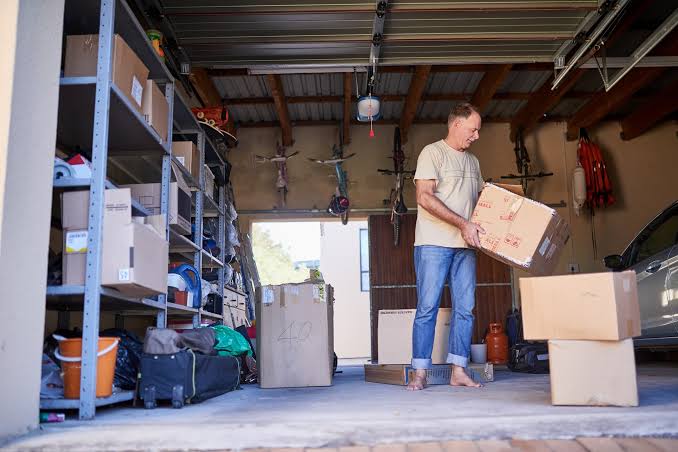
Finding a safe and affordable place for belongings can become difficult when a home, apartment, or garage starts running out of room. Neighbor storage offers an alternative approach by connecting people who need storage with property owners who have unused space. Instead of relying only on traditional self-storage facilities, this model can make use of garages, driveways, basements, sheds, and other suitable spaces.


The idea is straightforward: people with extra room can offer it for storage, while renters can look for available space that fits their belongings and budget. This approach has attracted attention because it brings flexibility to a market that has traditionally depended on large commercial storage facilities.
What Is Neighbor Storage?
Neighbor is a peer-to-peer storage marketplace designed to connect storage seekers with hosts who have unused space. The concept works similarly to other sharing-economy platforms, except the item being shared is storage space rather than accommodation or transportation.
A homeowner might have an empty garage that is not being used regularly. Another person might need somewhere to keep furniture, seasonal decorations, sports equipment, business inventory, or boxes. A storage marketplace can bring those two needs together.
The available space can vary considerably. Depending on the host and property, renters may find garages, parking areas, sheds, basements, closets, or other spaces. Because each listing is different, renters need to pay close attention to the description, dimensions, access arrangements, and storage conditions before making a decision.
How Neighbor Storage Works
The process generally begins with a person searching for storage in a particular area. Listings can provide information about the type of space, approximate capacity, price, access arrangements, and other conditions established by the host.
Once a suitable option is found, the renter can review the listing details and determine whether the space is appropriate for the items being stored. Communication between the renter and host is an important part of the process because practical details such as moving large furniture or accessing stored belongings may need to be clarified beforehand.
Hosts, meanwhile, can potentially earn money from space that would otherwise sit unused. The arrangement can be appealing to homeowners with an empty garage, driveway, basement, or other usable area.
Why People Consider Peer-to-Peer Storage
Traditional storage facilities remain useful, but they are not always the perfect fit for every situation. Someone may only need a relatively small amount of space, prefer a residential location, or want an alternative to a large storage complex.
Peer-to-peer storage can provide more variety because individual hosts offer different types and sizes of spaces. A renter might find a location closer to home or work, depending on the availability in the area.
Another consideration is price. Storage costs differ significantly according to location, space size, demand, and amenities. Comparing several options can help renters understand whether a particular listing represents reasonable value for their needs.
Understanding the Cost
One of the most important things to check before renting storage is the complete cost. The advertised price may not be the only consideration. Renters should review the terms carefully to understand what is included and whether additional charges could apply.
Location can have a major effect on pricing. Storage in a densely populated metropolitan area may cost more than comparable space in a smaller community. The size and type of storage space also matter.
A climate-controlled indoor space, for example, may be more suitable for sensitive belongings than an outdoor area, but it can have different pricing. Renters should therefore compare spaces based on both cost and suitability rather than choosing solely according to the lowest advertised price.
What Can You Store?
The items permitted in a storage space depend on the individual host’s rules and applicable terms. Common household belongings can include furniture, boxes, seasonal decorations, bicycles, tools, and other personal possessions.
Before placing anything into storage, renters should make sure the items are appropriate for the environment. Temperature-sensitive, moisture-sensitive, valuable, or fragile belongings may require specialized storage conditions.
It is also important to pack possessions properly. Furniture should be protected against dust and accidental damage, while cardboard boxes should be kept away from potential moisture. Creating an inventory can make it easier to keep track of everything during a long storage period.
Access Matters More Than People Expect
A storage space can appear affordable and convenient until the renter discovers that access is limited. This is why access arrangements should be discussed before committing to a rental.
Some spaces may provide convenient access, while others could require advance coordination with the host. If someone expects to retrieve belongings frequently, a space with complicated access may become inconvenient.
Renters should consider how often they will need their belongings. Someone storing furniture for several months may not need frequent access, while a small business storing inventory could require regular visits.
Safety and Trust
Trust is an important consideration whenever belongings are stored on someone else’s property. Renters should carefully review available listing information and communicate clearly with hosts before storing possessions.
It is sensible to ask questions about the storage environment, access, security arrangements, and any restrictions. Renters should also understand the platform’s current policies regarding payments, protection, disputes, and prohibited items before entering into an arrangement.
Hosts should similarly provide accurate information about their space. Clear photographs, realistic measurements, access instructions, and transparent expectations can help prevent misunderstandings.
Traditional Storage vs. Peer-to-Peer Storage
Traditional self-storage generally operates through dedicated commercial facilities containing individual storage units. Customers typically deal directly with the storage company and may have established procedures for accessing their unit.
Peer-to-peer storage uses privately offered spaces instead. That means the experience can differ considerably from one listing to another.
Neither model is automatically suitable for every person. The right choice depends on factors such as location, price, required space, access frequency, security expectations, and the type of belongings being stored.
Someone who values standardized facilities may prefer conventional self-storage. Someone looking for a residential location or a different type of storage arrangement may find peer-to-peer options worth investigating.
Tips Before Renting Storage
Before choosing a space, measure everything you intend to store. Estimating space based only on the number of boxes can be misleading, particularly when large furniture or irregularly shaped items are involved.
Read the listing carefully and ask questions about anything that is unclear. Pay particular attention to access hours, property conditions, parking or loading arrangements, and rules concerning the items you plan to store.
Photographs can also be useful, but they should not replace direct questions when important details are missing. If the space will hold valuable possessions, renters should also understand their own insurance situation and any applicable protection offered through the storage arrangement.
Who Can Benefit From Neighbor Storage?
Neighbor storage can be useful in several everyday situations. A household moving to a smaller home may need temporary space for furniture. A student could require storage during a school break. Someone renovating a house may need to move possessions out of a room for several weeks or months.
Small businesses and independent sellers may also consider additional storage for inventory, equipment, or supplies. The usefulness of the arrangement ultimately depends on whether a suitable host and space are available in the required area.
Frequently Asked Questions
Is Neighbor Storage the Same as a Self-Storage Facility?
No. Traditional self-storage generally involves renting a dedicated unit from a storage company. Neighbor’s marketplace model connects storage renters with individual hosts offering available space.
How Much Does Neighbor Storage Cost?
There is no single universal price. Costs can vary according to location, space size, storage type, availability, and other listing conditions. Comparing several suitable spaces is the best way to understand local pricing.
Can I Store Furniture?
Furniture may be suitable for storage when the particular space and host allow it. Before renting, check the listing’s rules, available dimensions, environmental conditions, and access arrangements.
Is Peer-to-Peer Storage Safe?
Safety depends on the individual property, host, renter, and circumstances. Reviewing listing information, asking questions, understanding platform policies, and protecting belongings appropriately can help reduce potential problems.
What Should I Check Before Renting?
Check the dimensions, price, access arrangements, storage conditions, permitted items, cancellation terms, and any applicable protections. These details can be more important than the advertised monthly price alone.
Final Thoughts
Neighbor storage represents a different way of thinking about extra space. Rather than limiting storage to large commercial facilities, the marketplace model makes it possible for unused residential and private spaces to become storage options for people who need them.
For renters, the biggest advantage can be flexibility and variety, while hosts may have an opportunity to make productive use of otherwise unused space. However, choosing storage should never be based on price alone. Location, access, security, environmental conditions, dimensions, rules, and protection for belongings all deserve careful consideration.
When those factors are reviewed in advance, neighbor storage can be a practical option for people looking for additional space without automatically committing to a conventional storage facility. The key is to compare available choices carefully and select a space that genuinely matches the belongings, budget, and access requirements involved.