Michigan Election Results 2026: Governor, Senate and House Races Shape the State’s Political Future

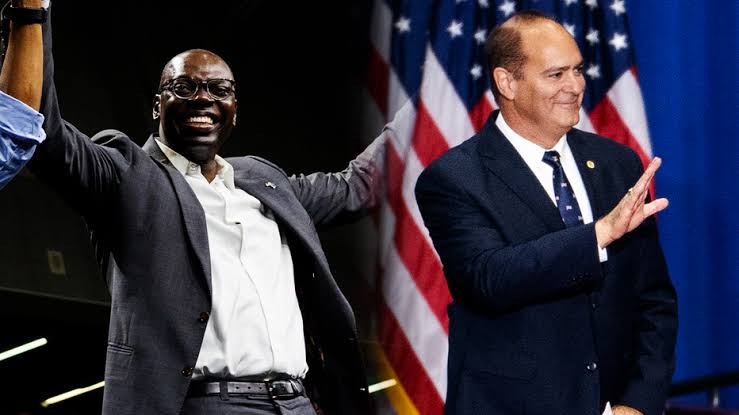
The Michigan election results are attracting national attention as voters decide who will lead the state and represent them in Washington. The November 3, 2026, election features closely watched contests for governor, the U.S. Senate, Congress, and several important state offices. With Michigan playing a major role in American politics, the outcome could influence political decisions far beyond its borders.


This election is particularly significant because several long-serving state officials cannot run for another term. Voters are choosing new leadership while also deciding important questions about constitutional changes, campaign financing, economic priorities, and the future direction of state government.
As votes are counted, understanding the candidates, major races, and issues behind the election provides a clearer picture of what is happening across Michigan.
Why Michigan Matters
Michigan is one of the most politically important states in the United States. Its industrial economy, large working-class population, diverse communities, and competitive voting patterns make it an important destination for national campaigns.
The state has frequently attracted attention during presidential and congressional elections. Political parties understand that success in Michigan can strengthen their position nationally, particularly in closely divided elections.
Michigan’s manufacturing industry is another major reason the state receives attention. The automotive sector, international trade, energy costs, and employment opportunities are important concerns for residents. Candidates must explain how their policies could affect workers, businesses, families, and local communities.
The 2026 election also comes at a significant moment because voters are selecting new leadership for several important state offices.
Michigan Governor Election
One of the biggest contests in the 2026 election is the race for Michigan governor. Democratic Governor Gretchen Whitmer is unable to seek reelection because she has reached the constitutional term limit.
The two major-party candidates are Democratic Secretary of State Jocelyn Benson and Republican U.S. Representative John James.
Benson has experience managing Michigan’s election system and serving in statewide government. James brings experience from Congress and has previously campaigned for the U.S. Senate.
Their campaigns represent different political approaches and priorities. Issues such as economic growth, public safety, education, infrastructure, healthcare, and the cost of living are important parts of the wider political discussion.
The contest is particularly important because Michigan will have a new governor after eight years under Whitmer’s leadership.
What Makes This Race Important?
The governor has significant influence over the state’s budget, executive agencies, appointments, and policy priorities. The next administration will face decisions involving transportation, schools, business investment, healthcare, and employment.
The latest election-night coverage reported that Benson was leading James, but the race had not yet been officially called in the available reporting.
U.S. Senate Election in Michigan
The U.S. Senate contest is another major part of the Michigan election results. Democratic Senator Gary Peters’ retirement has created an open seat, making the race especially important for both political parties.
The leading candidates are Republican Mike Rogers and Democrat Abdul El-Sayed.
Rogers is a former U.S. representative and former FBI agent. He previously ran for the Senate in 2024 but lost to Democrat Elissa Slotkin. El-Sayed is a former public health official who became widely known through his political campaigns and public policy positions.
Both candidates have focused on the economic challenges facing Michigan residents, although they offer different approaches to addressing them.
Rogers has emphasized manufacturing jobs, tax relief for working families, and economic policies connected to American industry. El-Sayed has promoted healthcare reforms, campaign finance changes, and higher taxes on billionaires.
Why the Senate Seat Matters
The Senate plays an important role in approving legislation, confirming presidential appointments, and overseeing federal government activities.
Control of the chamber can influence decisions involving taxation, immigration, healthcare, international relations, and economic policy. Therefore, Michigan’s open Senate seat has attracted considerable national attention.
The race is also significant because both parties understand the importance of winning competitive states when congressional control is at stake.
Secretary of State Race
Michigan voters are also choosing a new secretary of state. Jocelyn Benson currently holds the position but is running for governor and cannot seek another term in the office.
The major-party candidates include Democratic Lieutenant Governor Garlin Gilchrist and Republican Macomb County Clerk Anthony Forlini.
The secretary of state is responsible for important election administration duties, including voter registration services, election procedures, and oversight responsibilities connected to the state’s voting system.
The position is particularly important during an election cycle because public confidence in accurate vote counting and transparent administration remains essential.
The next officeholder will inherit responsibility for maintaining accessible election services and supporting the work of local election officials throughout Michigan.
Attorney General Election
Another important statewide contest involves the attorney general’s office. Democratic Attorney General Dana Nessel is term-limited and cannot seek reelection.
The leading candidates include Democrat Eli Savit, the Washtenaw County prosecutor, and Republican Doug Lloyd, the Eaton County prosecutor.
The attorney general serves as Michigan’s chief legal officer and represents the state in important legal matters. The office also handles responsibilities involving consumer protection, legal enforcement, and government accountability.
The election will determine which candidate takes responsibility for these duties and establishes the legal priorities of the next administration.
U.S. House Election Results
Michigan has 13 congressional districts, and all of them are involved in the November 2026 election.
These contests are important because the balance of power in the U.S. House can influence which legislation moves forward. Even a small number of seats can make a difference when the chamber is closely divided.
Several districts have received particular attention from political analysts. Competitive contests around Lansing, northern Detroit, and Grand Rapids have attracted campaign spending and national interest.
Republican-held districts are among the important opportunities Democrats are hoping to contest, while Republicans are working to defend their existing representation.
The results will also help determine how Michigan’s congressional delegation represents the state’s economic and social interests in Washington.
Local Districts Also Matter
Not every important election receives national television coverage. Local congressional districts, county offices, and municipal contests can have a direct influence on everyday life.
Residents are also interested in decisions involving public transportation, schools, infrastructure, property taxes, and community development.
For this reason, understanding the Michigan election results requires looking beyond the governor and Senate contests. Local outcomes can be equally important to the communities affected by them.
Michigan Ballot Proposals
Alongside candidate elections, Michigan voters are considering two significant statewide ballot proposals.
Proposal 1 asks voters whether Michigan should hold a constitutional convention to consider possible revisions to the state constitution.
A constitutional convention would provide an opportunity to examine existing constitutional provisions and propose changes. However, any proposed revisions would still need voter approval before taking effect.
Proposal 2 concerns campaign contributions from regulated electric and gas utilities and government contractors. It seeks to prohibit these contributions under the proposal’s terms.
Both questions have implications beyond the immediate election cycle. The first concerns the state’s constitutional framework, while the second focuses on political fundraising and the relationship between public policy and regulated industries.
These ballot questions demonstrate that elections are not only about choosing political representatives. They also allow voters to make direct decisions about how their state operates.
How Michigan Counts Election Votes
Election-night results do not necessarily represent the final official outcome. After polling places close, local election officials begin reporting vote totals from individual precincts.
Michigan also has absentee and early voting, which means ballots can be reported at different stages of the counting process. Election officials must follow established procedures to verify ballots, reconcile totals, and complete the required canvassing process.
There is an important difference between unofficial results and certified results.
Unofficial results provide an early picture of how candidates are performing. They can change as additional precincts report their totals and outstanding ballots are processed.
Certified results come after the appropriate election authorities complete their reviews and officially confirm the outcome.
Anyone following the election should avoid treating an early lead as a confirmed victory. A close contest may require additional counting before the final result becomes clear.
What Could Happen After the Election?
The consequences of this election will extend beyond election night. The new governor, attorney general, secretary of state, and members of the legislature will help establish Michigan’s political priorities for the coming years.
Economic development is expected to remain an important concern. Michigan must continue addressing changes in the automotive industry, manufacturing competition, employment opportunities, and international trade.
Education and healthcare will also remain significant issues. Decisions about school funding, healthcare access, infrastructure investment, and public services can directly affect families across the state.
The election will also provide insight into how Michigan voters view the country’s wider political direction. Because the state has a competitive political environment, its results can offer important information about voter priorities and party support.
Frequently Asked Questions
When were the Michigan elections held in 2026?
Michigan’s general election took place on November 3, 2026. Voters participated in statewide, congressional, legislative, and local contests, along with decisions on ballot proposals.
Who are the candidates for Michigan governor?
The major-party candidates are Democrat Jocelyn Benson and Republican John James. They are competing to succeed term-limited Governor Gretchen Whitmer.
Why is the Michigan Senate race important?
The Senate seat is open following Gary Peters’ retirement. Republican Mike Rogers and Democrat Abdul El-Sayed are competing for the position, which could influence the balance of power in Washington.
Are the Michigan election results final?
Election-night totals are generally unofficial. Results must go through the required verification and canvassing procedures before becoming officially certified.
Which statewide offices are being contested?
The major statewide contests include governor, secretary of state, attorney general, and the U.S. Senate. Voters are also deciding congressional, legislative, and local races.
What are Michigan Proposals 1 and 2?
Proposal 1 concerns holding a constitutional convention to consider potential revisions to Michigan’s constitution. Proposal 2 concerns restrictions on campaign contributions from regulated utilities and government contractors.
Conclusion
The Michigan election results represent an important moment for the state’s political future. With open races for governor, the U.S. Senate, attorney general, and secretary of state, voters are choosing new leadership across several influential positions.
The contests involving Jocelyn Benson, John James, Mike Rogers, and Abdul El-Sayed have attracted particular attention because their outcomes could influence both state and national politics.
Beyond individual candidates, the ballot proposals and legislative contests will help determine Michigan’s direction on economic development, public services, election administration, and government accountability.
As counting and verification continue, the most important thing is to distinguish early election-night reporting from officially certified outcomes. The final results will provide a clearer understanding of what Michigan voters want from their next generation of political leadership.