
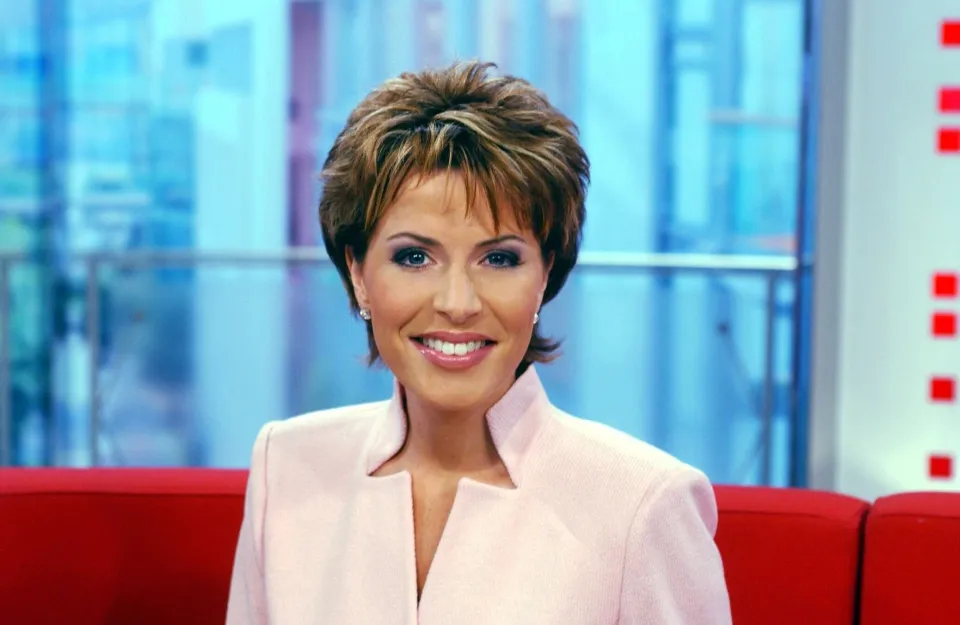
Natasha Kaplinsky stands as one of the most recognizable figures in British broadcasting a journalist whose presence, style, and professionalism helped redefine modern television news. Over the past two decades, her influence has extended far beyond the studio desk. She has shaped expectations for on-screen journalists, set new standards for news presentation, and helped drive the evolution of how audiences consume breaking stories. From her early roles to her pioneering achievements and her cultural impact, Kaplinsky has played a significant part in transforming the landscape of television journalism.
A New Style of Presentation in British Broadcasting
Before Natasha Kaplinsky rose to prominence, British news broadcasting tended to lean toward a more formal, almost rigid tone. News anchors were expected to remain distant, authoritative, and somewhat detached. Kaplinsky brought a different kind of energy an approachable, warm, and polished tone that still maintained professional integrity. Her ability to balance authority with relatability resonated with audiences who were beginning to desire a more human connection with their news presenters.


Her style helped shift newsroom culture. Many younger journalists entering the field began adopting a similar balance of confidence and compassion. This blend is now seen as a hallmark of modern British broadcasting. Kaplinsky’s influence helped normalize the idea that a presenter could be both credible and personable, without compromising journalistic standards.
Trailblazer for Women in News
Kaplinsky’s rise to national prominence represented a breakthrough for women in an industry that, for decades, had been dominated by men in lead presenting roles. She became one of the youngest female anchors on major British television news channels and consistently held prime presenting positions across networks. Her early achievements demonstrated that women could lead major news programs with authority and poise.
Moreover, she served as a visible role model for aspiring female journalists. Her success signaled to newsroom executives that audiences not only accepted but valued dynamic female leadership on-screen. At a time when gender equality in media was still evolving, Kaplinsky’s presence helped shift long-standing biases and opened the door for a new generation of women to enter higher-profile broadcasting roles.
Versatility Across Television Platforms
Natasha Kaplinsky is known not only for her work on hard news, but also for her versatility across multiple television formats. While she maintained credibility in political and breaking news reportage, she also engaged in lighter, more entertainment-focused programming. This adaptability reflected the changing nature of television journalism, where presenters are often expected to move fluidly across formats.
Her transition between news broadcasting and broader television roles demonstrated a shift in media expectations. Modern viewers want journalists who can communicate across platforms news channels, daytime programming, digital clips, and even entertainment shows. Kaplinsky proved that a journalist could thrive while moving between serious news and mainstream programming, without diminishing professional credibility.
This versatility anticipated the blended media environment we see today, where journalists often have to adapt to multiple presentation styles and formats in order to stay relevant across various platforms.
Redefining the Role of a News Anchor
Traditionally, news anchors read the news; reporters gathered it. Kaplinsky contributed to redefining this dynamic. She helped popularize the more engaged, conversational news delivery style that is now common in modern journalism. She interacted more fluidly with correspondents, offering thoughtful follow-up questions and encouraging deeper analysis. This helped audiences feel more included in the news narrative and better connected to ongoing stories.
Additionally, Kaplinsky’s polished communication skills set a benchmark for clarity, pacing, and emotional intelligence. Many broadcasters both established and up-and-coming have cited this style as an influence on their own presentation approach. The move away from static reading toward more interactive anchoring is now a defining characteristic of modern news broadcasting.
A Public Figure with Global Recognition
Though a staple of British news, Kaplinsky’s influence extends internationally. As global broadcasting became more interconnected, the standards set by high-profile journalists like Kaplinsky helped shape audience expectations worldwide. Her poise, confidence, and clear articulation have often been held up as examples of strong broadcast journalism. In an age where clips spread across social media, journalists who maintain credibility while engaging audiences in relatable ways help shape worldwide perceptions of trustworthy news.
Balancing Professionalism with Approachability
One of Kaplinsky’s standout qualities has been her ability to project warmth without sacrificing authority. This approachability made her a more relatable presenter during major news events. Audiences often looked for reassurance during crises, election coverage, or sensitive breaking stories. Kaplinsky’s calm demeanor helped build trust a trait that many major broadcasters now consider essential.
In contemporary journalism, it’s no longer enough for a news presenter to simply deliver information. Viewers want authenticity, empathy, and reliability. Kaplinsky demonstrated how to combine these qualities effectively, influencing the shift toward presenters who are both professional and emotionally attuned.
Impact on Digital and Multimedia Journalism
Although she built her career in traditional television, Kaplinsky’s influence can be felt in digital journalism as well. Modern newsrooms rely heavily on multimedia content, social media engagement, and cross-platform storytelling. The approachable and dynamic style she championed translates well into short-form video, live streaming, and online news segments.
Journalists today are often expected to maintain a professional presence both on television and across digital channels. Kaplinsky’s versatile communication methods have helped set the standard for how journalists can adapt their presenting style to multiple formats. This flexibility is crucial in an era where audiences access news not only through TV screens but also through smartphones, tablets, and social platforms.
Contribution to Public Trust in Media
In an age where misinformation and skepticism toward mainstream media are on the rise, trusted journalists play a critical role in maintaining public confidence. Natasha Kaplinsky is often recognized as one of the broadcasters who reinforced the importance of integrity and accuracy in news reporting. Her consistent professionalism helped strengthen viewers’ trust in the programs she presented.
The perception of a journalist as honest, composed, and compassionate can significantly affect how audiences receive and evaluate information. Kaplinsky exemplified these values, making her an influential figure in shaping public expectations of trustworthy journalism.
Cultural Impact and Recognition
Kaplinsky’s prominence has made her a familiar face in British culture. She has participated in charitable initiatives, public awareness campaigns, and high-visibility television events. These appearances have helped broaden the role of journalists beyond the studio setting. Her involvement in public life demonstrated that journalists can be active contributors to social causes while maintaining neutrality in professional contexts.
Her cultural presence also highlighted the growing visibility of news presenters as public figures. Today, journalists often have larger public profiles and broader cultural influence. Kaplinsky was one of the early figures to bridge the gap between newsroom professionalism and mainstream recognition.
A Legacy That Continues to Shape Broadcasting
Natasha Kaplinsky’s influence on modern television journalism is both undeniable and far-reaching. She helped modernize presenting styles, expanded expectations for women in media, and brought warmth and relatability to an industry that once favored distance and formality. Her versatility across multiple formats anticipated the multimedia demands placed on today’s journalists, while her professionalism set a high standard for trust and credibility.
As television news continues to evolve shaped by digital innovation, shifting audience habits, and rapid technological change Kaplinsky’s legacy remains deeply embedded in the fabric of the broadcasting world. Many of the norms we associate with contemporary journalism can be traced, at least in part, to her pioneering presence.
Conclusion
The influence of Natasha Kaplinsky on modern television journalism extends well beyond her on-screen roles. She helped redefine the responsibilities of a news presenter, brought greater inclusivity and flexibility to the profession, and demonstrated how warmth and professionalism can coexist effectively. Her contributions continue to inspire journalists entering the field and shape the standards of British broadcasting. In many ways, Kaplinsky’s career serves as a blueprint for what modern journalism strives to be: credible, adaptable, engaging, and deeply human.