AI at the Edge of the Home How Smarter Systems Are Changing the Garage Door

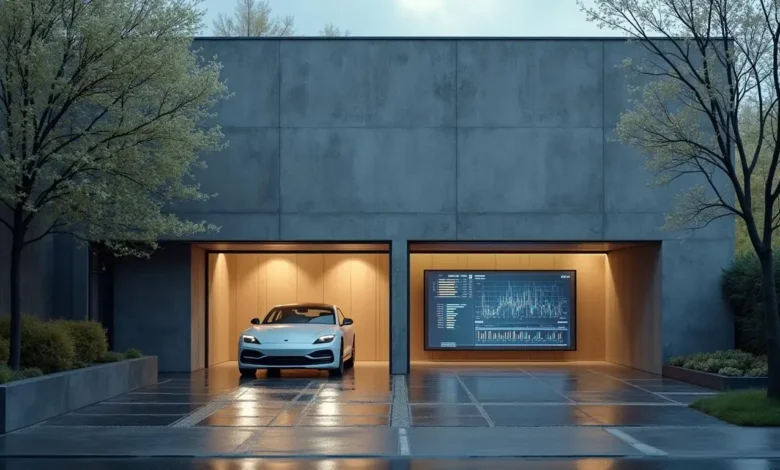
AI is often discussed in massive terms: data centers, autonomous vehicles, and enterprise automation. But some of the most useful AI driven changes are happening in quieter places, like the home. One of the most overlooked examples is the garage door, a system that sits at the intersection of security, convenience, mechanical reliability, and smart monitoring.
The garage is also a unique “edge” environment. It connects the outside world to the inside of the home, it experiences temperature swings and dust, and it is used frequently, sometimes multiple times a day. That combination makes it a perfect candidate for practical automation. Smarter garage systems are not only about opening and closing with an app. They are about reducing risk, detecting anomalies, and improving reliability before failures become emergencies.


When homeowners start modernizing this part of the home, the conversation quickly shifts from gadgets to infrastructure. If you want a system that feels secure and dependable long term, working with Sacramento Garage Doors specialists who can handle proper installation, sensor alignment, and modern opener integration is one of the most effective ways to make a smart upgrade that actually performs in real life.
Why the garage door is becoming a “smart system” rather than a simple mechanism
A garage door used to be a basic mechanical setup: a motor, a remote, and a keypad. Today it is more like a connected device ecosystem. It can include door status sensors, Wi Fi connected controllers, video doorbell integration, motion lighting, and even access automation based on geofencing.
AI becomes relevant because these systems generate signals. Door open and close cycles, sensor interruptions, motor strain, unusual vibration patterns, and access timing can all be observed. Once data exists, the next step is using intelligence to interpret it. That is the shift from “connected” to “smart.”
For example, an AI enabled monitoring system could learn the normal sound profile and travel time of your door and notify you if the motor starts working harder than usual. That might indicate roller wear, spring imbalance, or track friction before the door fails. The user experience becomes less reactive and more preventative.
Predictive maintenance is the most underrated upgrade
Most garage door problems do not happen suddenly. They build. Springs fatigue, rollers wear, tracks shift slightly, and openers strain. Homeowners often ignore the early signs because the door still moves. But “still moves” is not the same as “healthy.”
This is where AI style thinking matters even without advanced software. If you track patterns, you prevent failures. Does the door sound louder than last month. Does it move slightly slower. Does it reverse sometimes. Does it struggle in certain weather. These are signals.
A modern installation combined with good sensors makes those signals easier to measure. And measured signals are easier to act on. The result is fewer emergency calls and less risk of being stuck with a door that will not open when you are late.
Security is not only about locking, it is about awareness
Garage doors are a major entry point, yet many homes treat them as secondary. In reality, garage access often leads directly into the home, which makes it one of the most important security surfaces to manage.
Smart systems improve security by adding awareness. You can confirm whether the door is closed. You can receive alerts when it opens unexpectedly. You can integrate cameras and motion lighting. You can control access remotely for deliveries or service visits and remove access afterward.
AI enhances this further by reducing noise. Instead of sending you alerts every time something moves, smarter systems can classify activity, notice unusual timing, and flag patterns that do not match normal household behavior. The goal is not constant surveillance. The goal is fewer blind spots.
Better sensors and better installation are what make smart features work
Many people buy smart accessories and then feel disappointed because the system behaves inconsistently. The door status reads wrong. The door reverses. The remote range is weak. The app is fine, but the door is not.
Most of these issues come down to fundamentals: alignment, calibration, and hardware condition. Sensors need to be positioned correctly. Tracks need to be true. Springs need correct tension. The opener must match the door size and weight.
Smart features sit on top of the physical system. If the foundation is weak, the smart layer cannot compensate. That is why installation quality matters as much as the technology itself.
The garage is also an energy and comfort factor
Modern homeowners are increasingly using garages as gyms, workshops, storage rooms, and sometimes even as climate sensitive spaces. That makes insulation and sealing more important than it used to be.
A well installed garage door with better insulation can reduce heat transfer, stabilize temperatures, and make adjacent living spaces more comfortable. It also reduces the load on HVAC in some home layouts, especially when a garage shares walls with bedrooms or living rooms. In that sense, a garage door upgrade is part of broader home performance, not just convenience.
What a “smart” garage should feel like
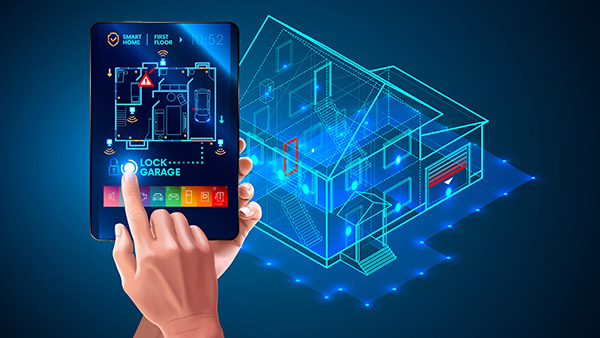
A genuinely smart garage setup should do three things.
First, it should be reliable. The door opens and closes smoothly, quietly, and consistently.
Second, it should be visible. You can confirm status and receive meaningful notifications without constant false alarms.
Third, it should reduce risk. It should improve safety through proper sensor function and reduce security risk through controlled access and awareness.
If a system makes you more anxious or sends you confusing signals, it is not smart. It is just connected.
The practical takeaway
AI in the home does not have to look futuristic to be useful. Sometimes it looks like a better installed door, a more accurate sensor setup, and a monitoring system that tells you when something is off before it becomes a failure.
The garage door is a perfect example because it is used frequently, it affects security directly, and it is often neglected until it breaks. Modernizing it is one of the highest impact “quiet upgrades” you can make, especially when you combine strong installation fundamentals with smarter monitoring.
In the end, the future of home technology is not only about adding more apps. It is about building systems that behave predictably, protect you in the background, and make everyday life smoother. A smart garage is exactly that.